
 80mm Receipt Printer
 ACE H2
 RP331
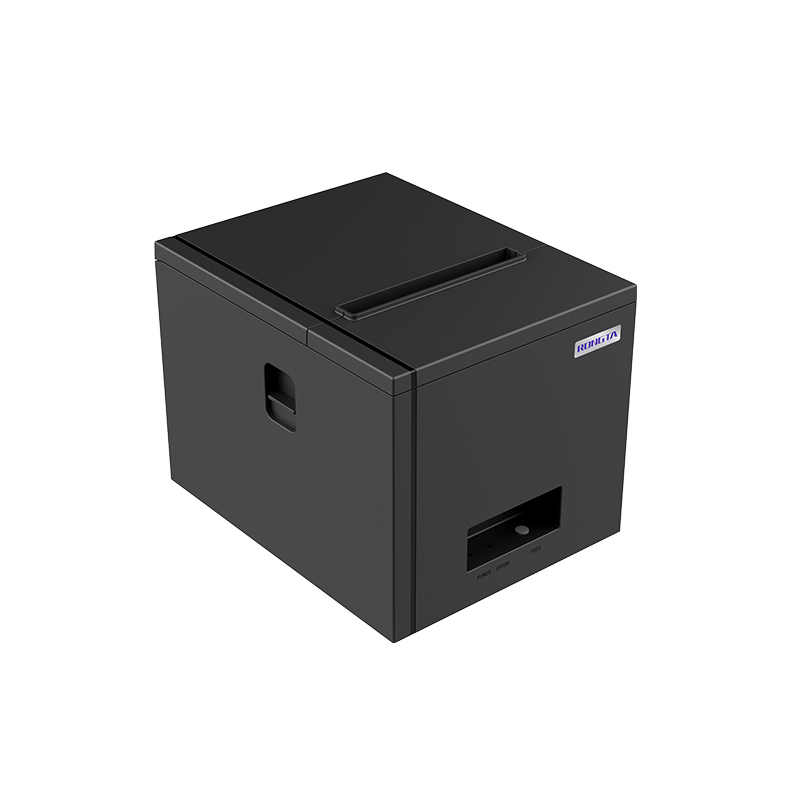 RP350
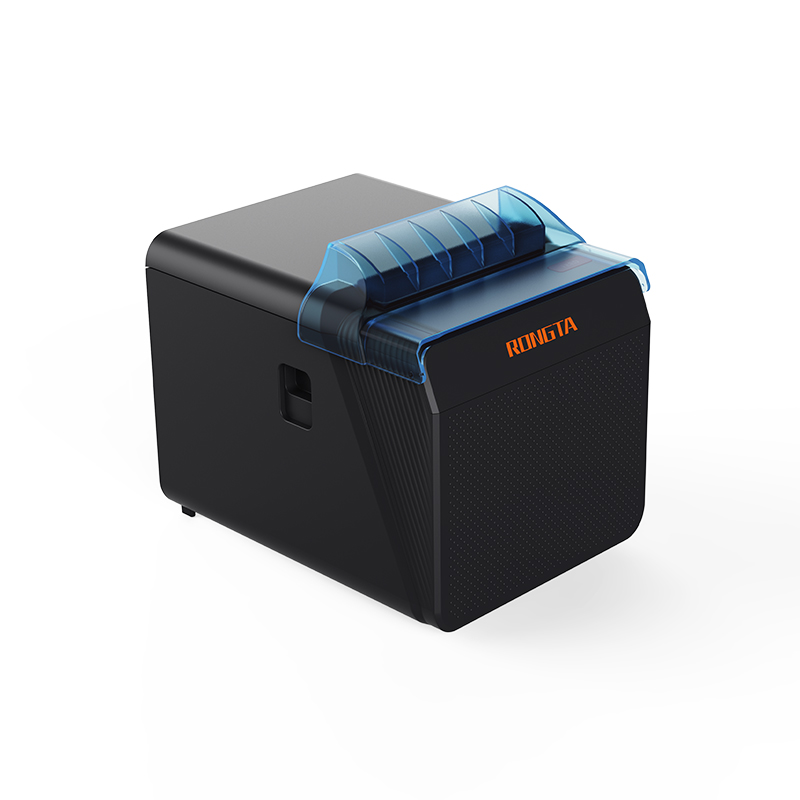 RP337
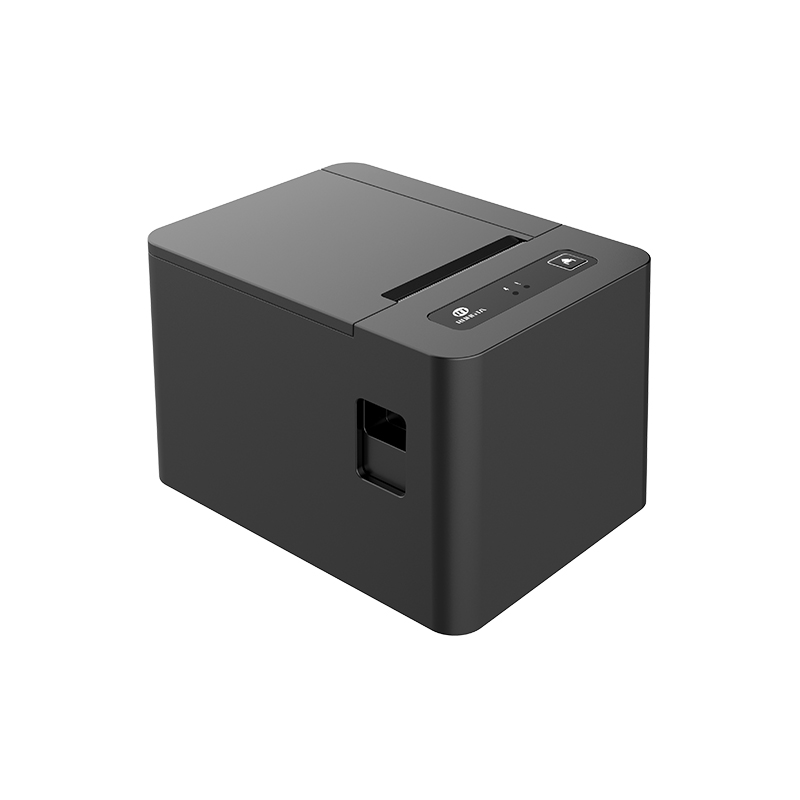 RP582
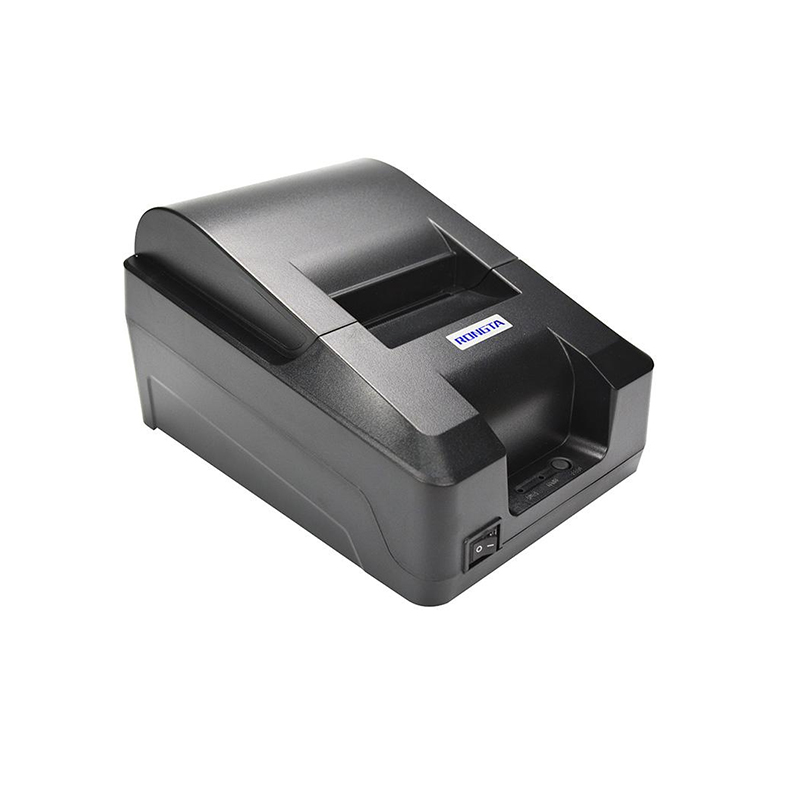 RP58A
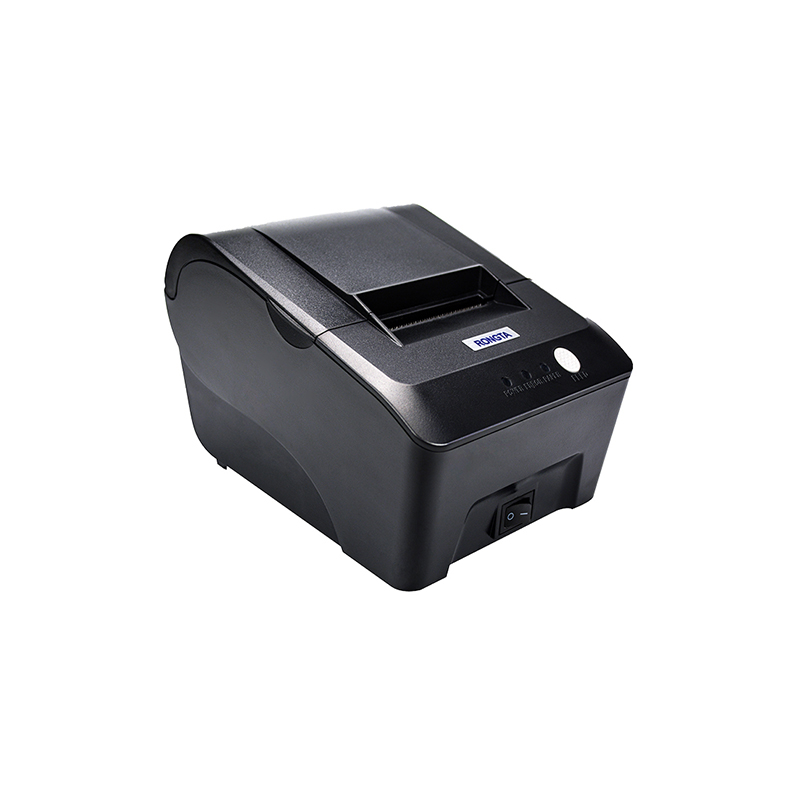 RP58E
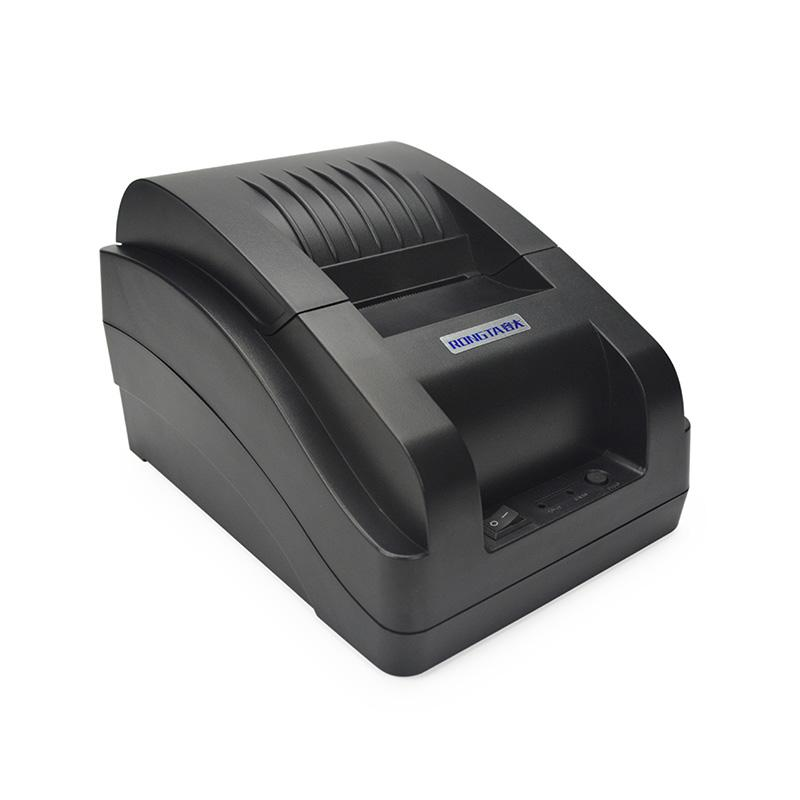 RP58B
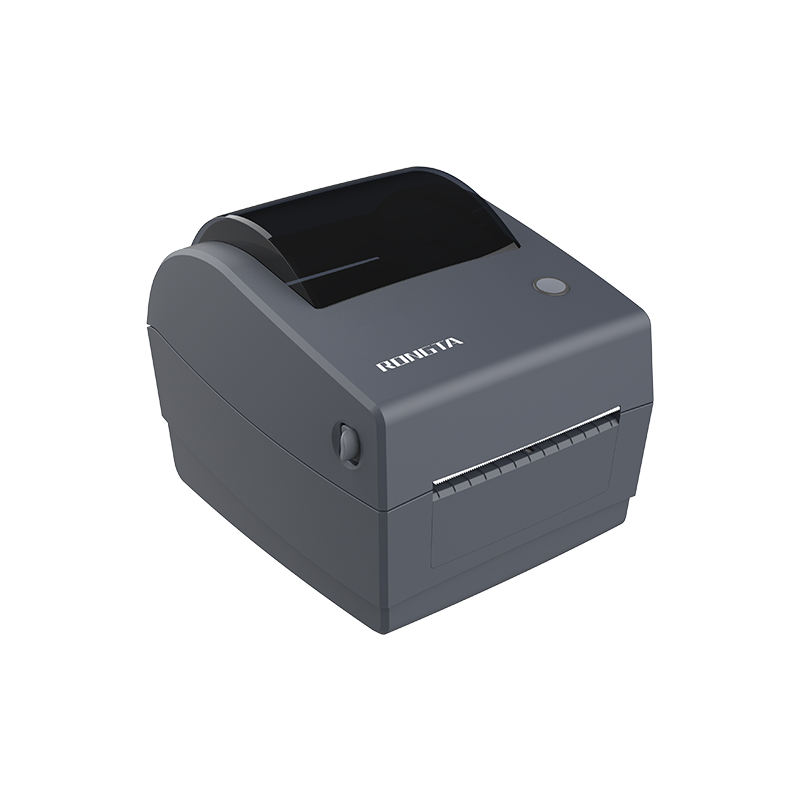 RP310D
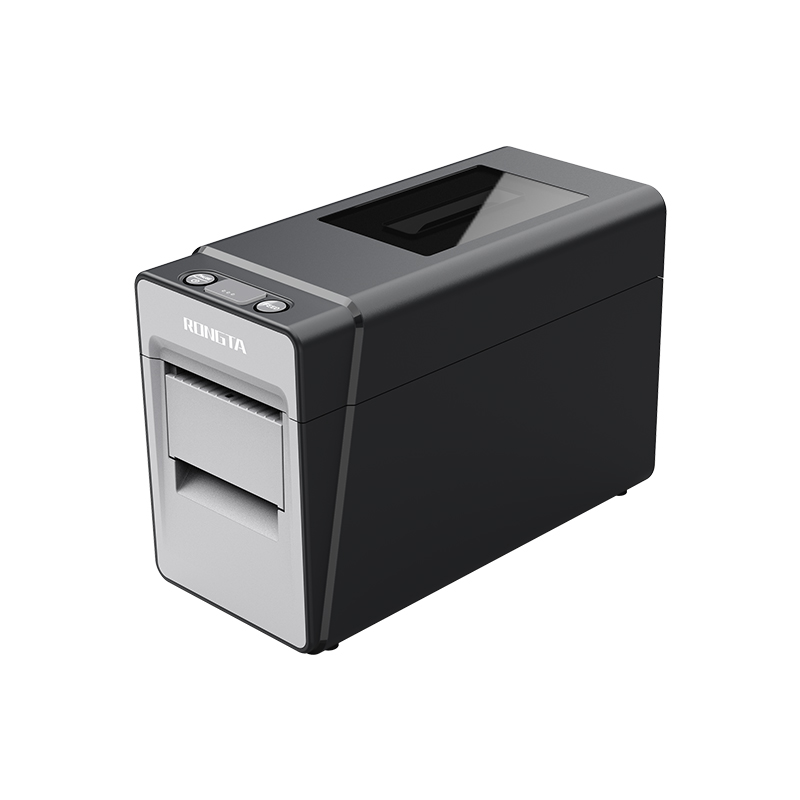 RP216
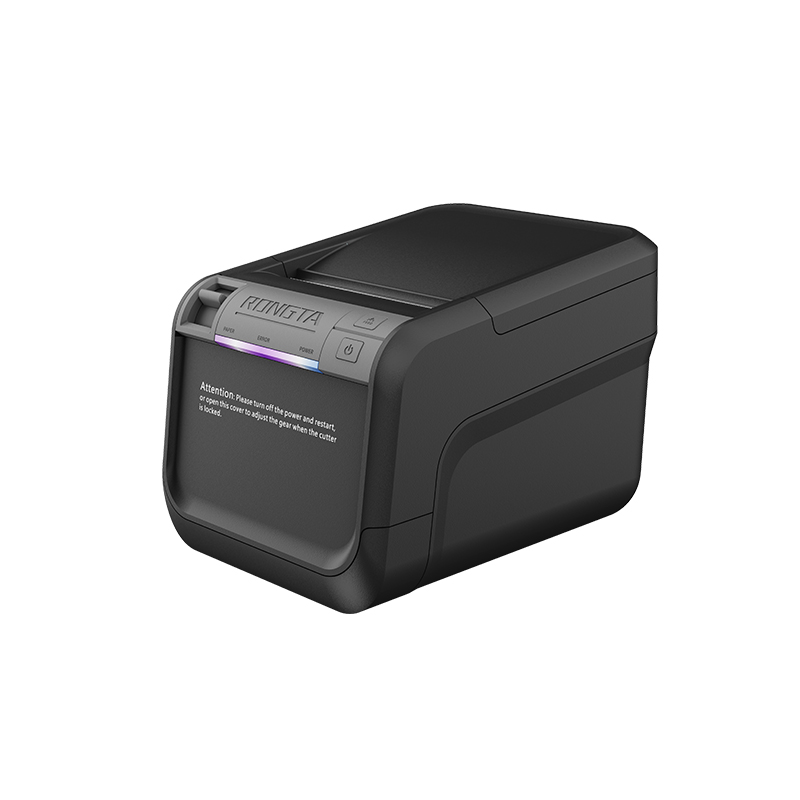 ACE V1S
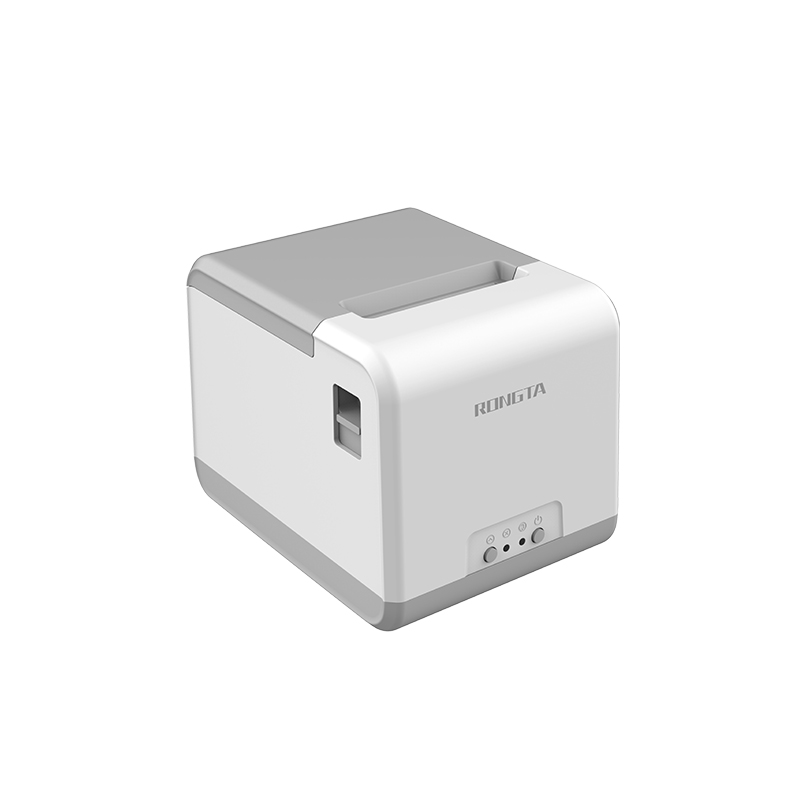 RP211
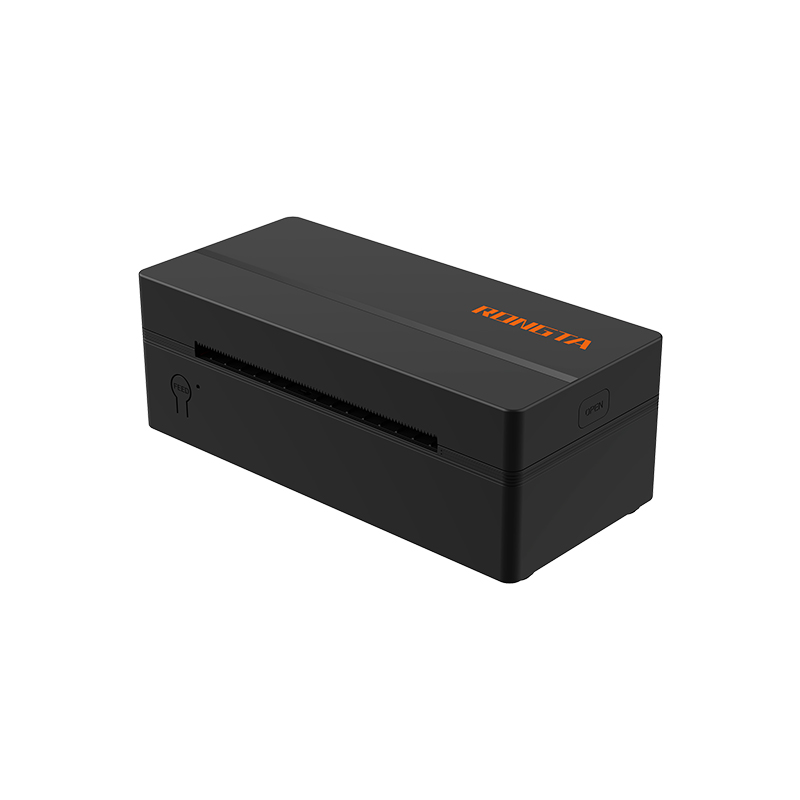 RP425/RP425C
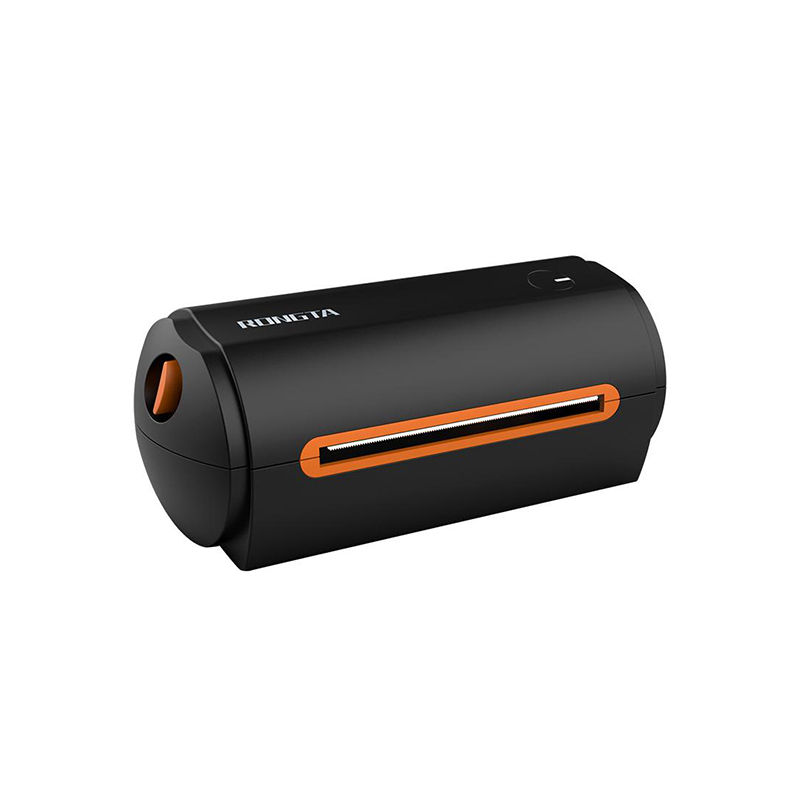 RP422
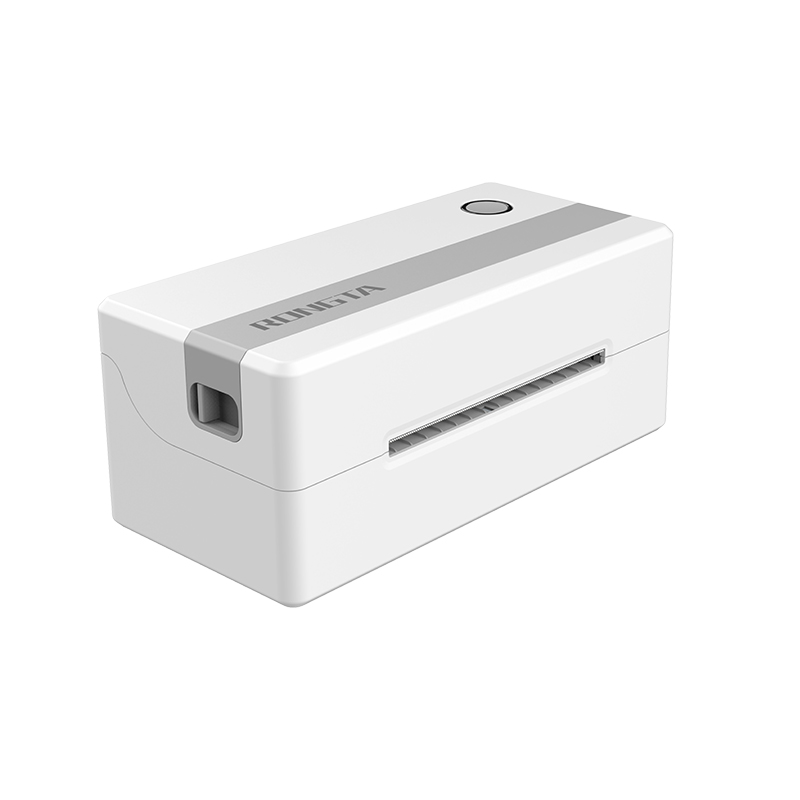 RP421A-Airprint
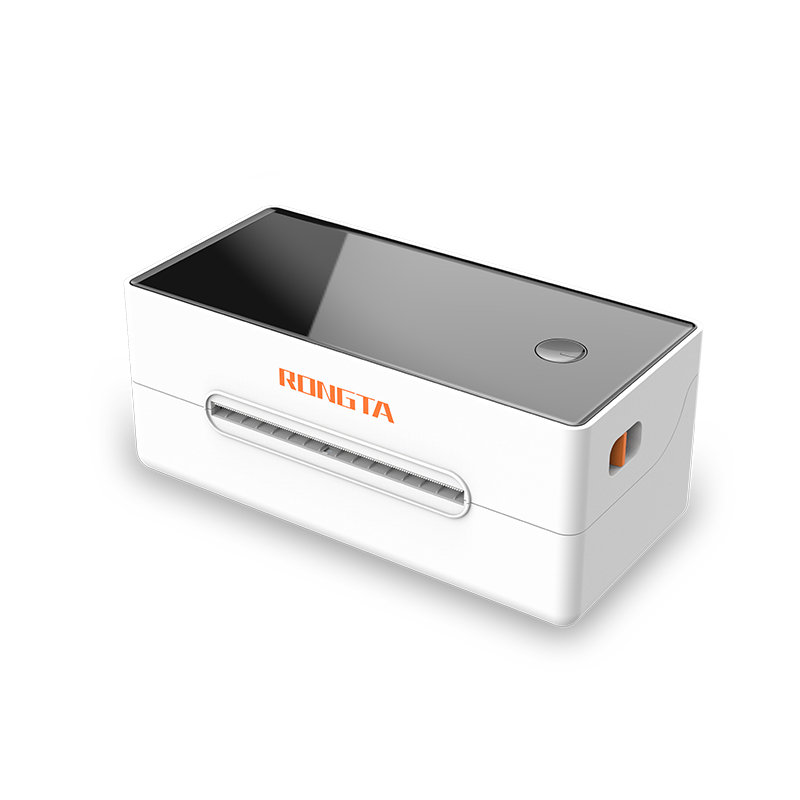 RP421
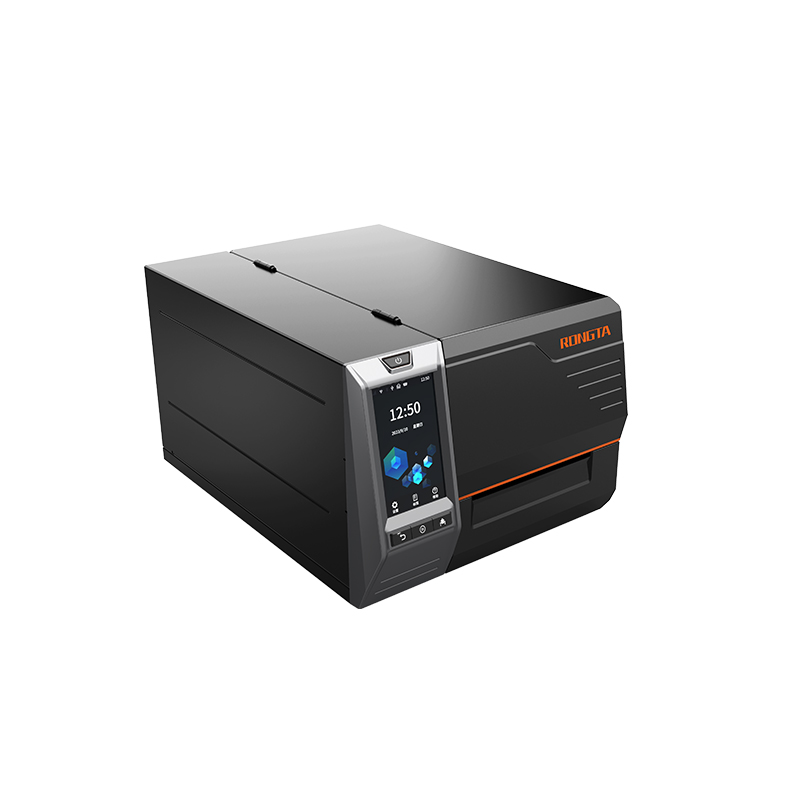 RI460/RI463/RI460r
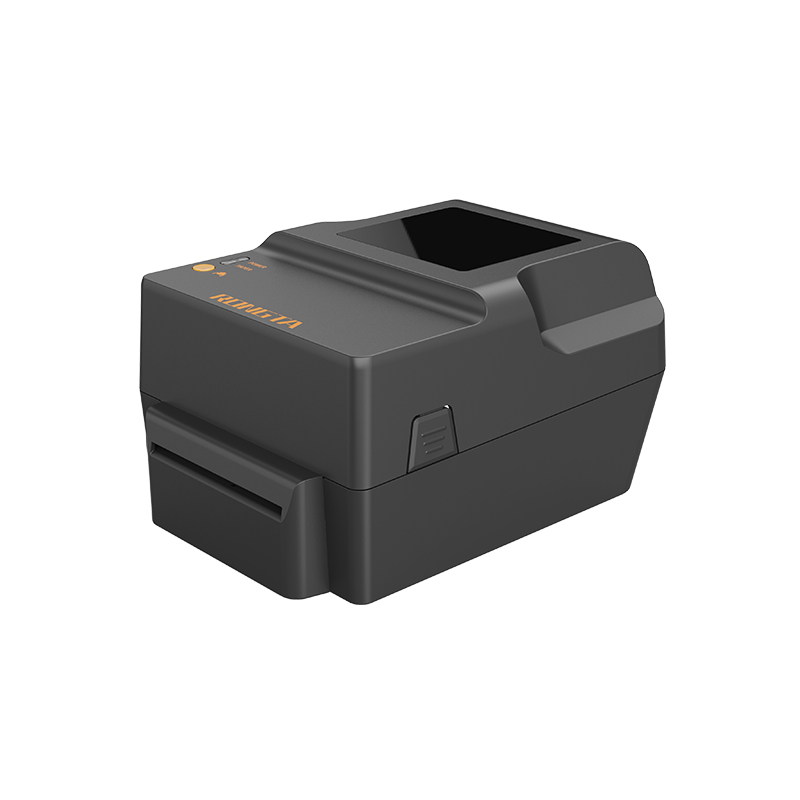 RP400H
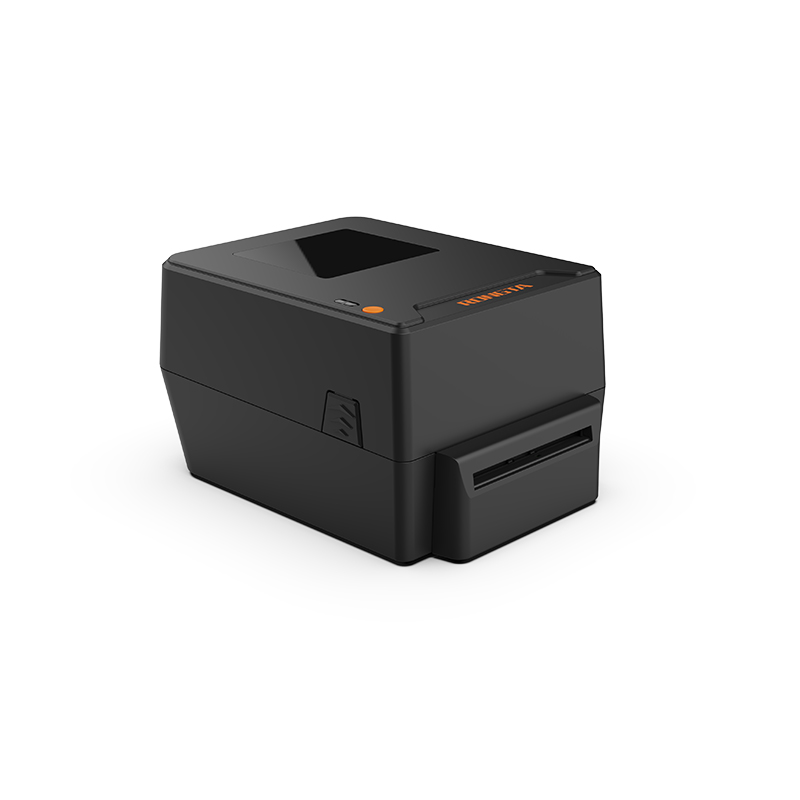 RP400A
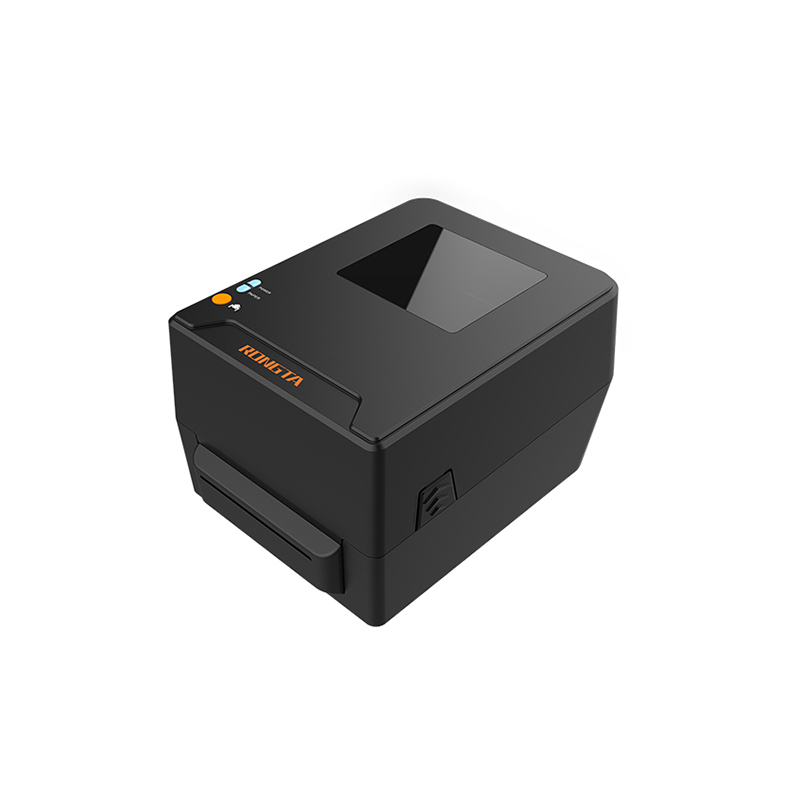 RPF412
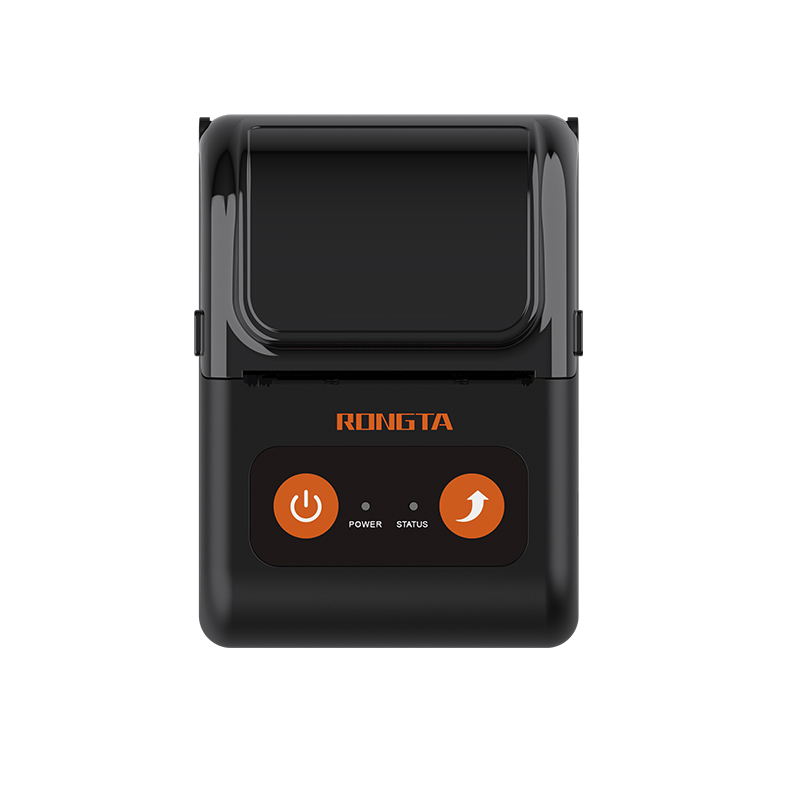 RPP02C
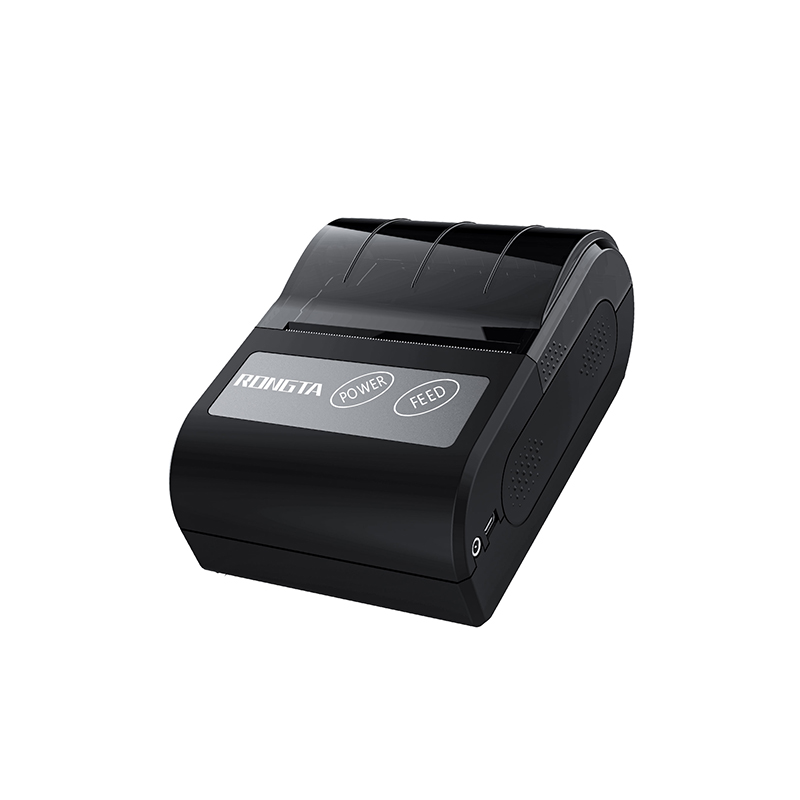 RPP02N
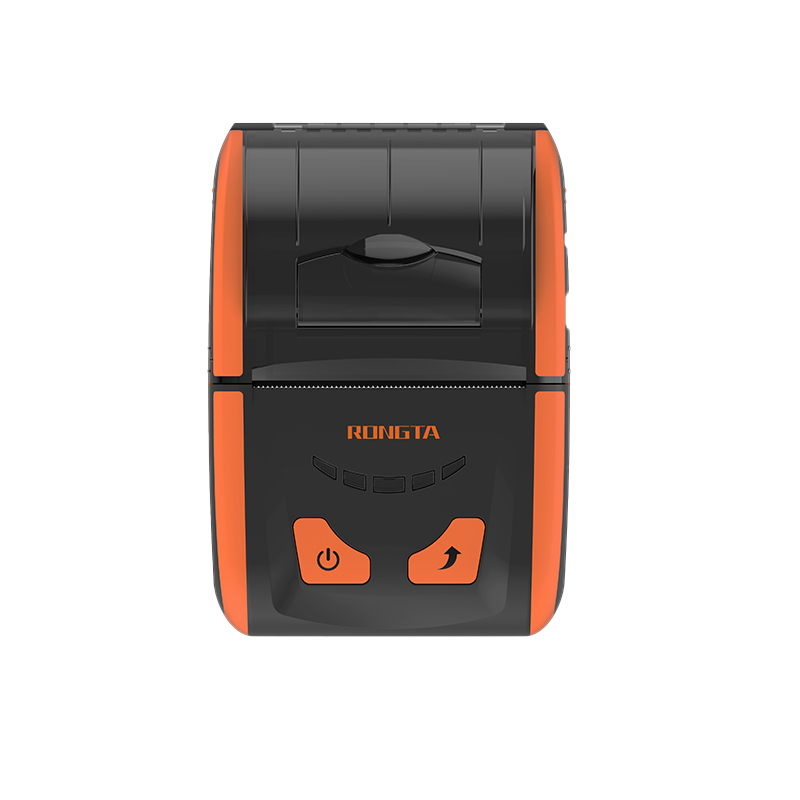 RPP200
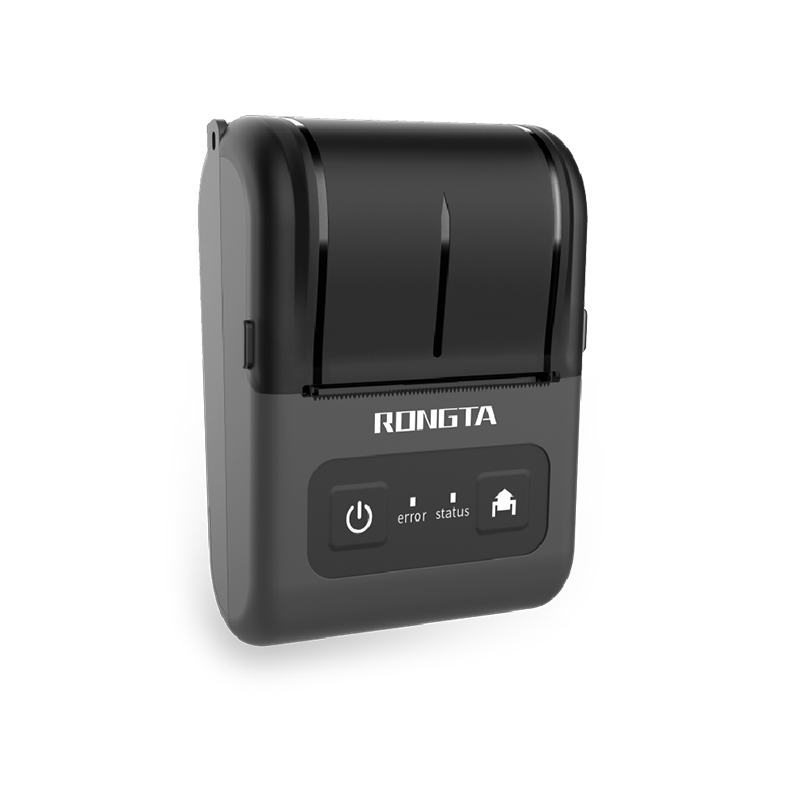 RPP02D
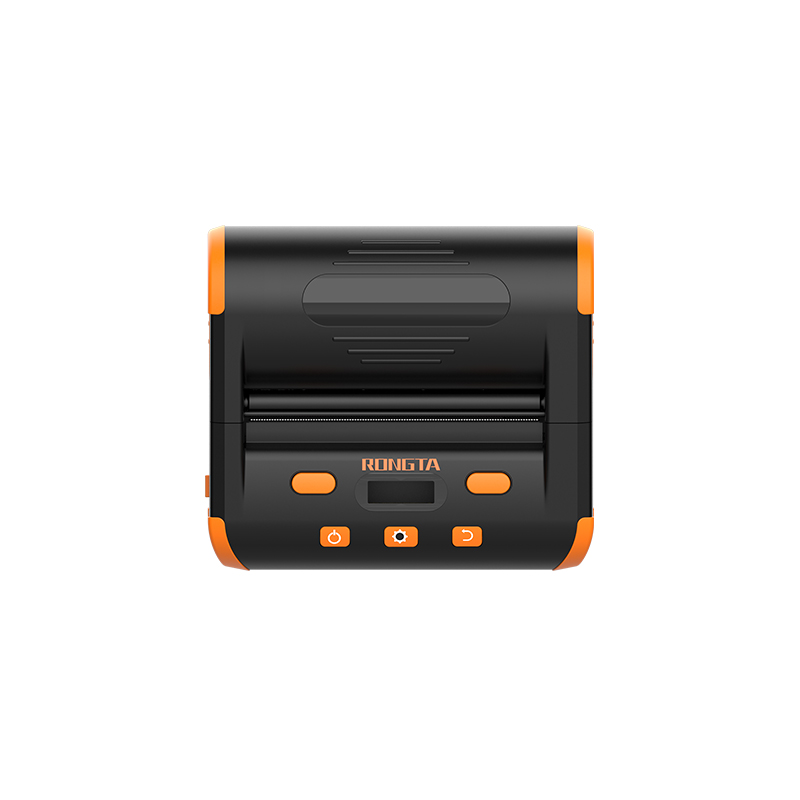 RPP04
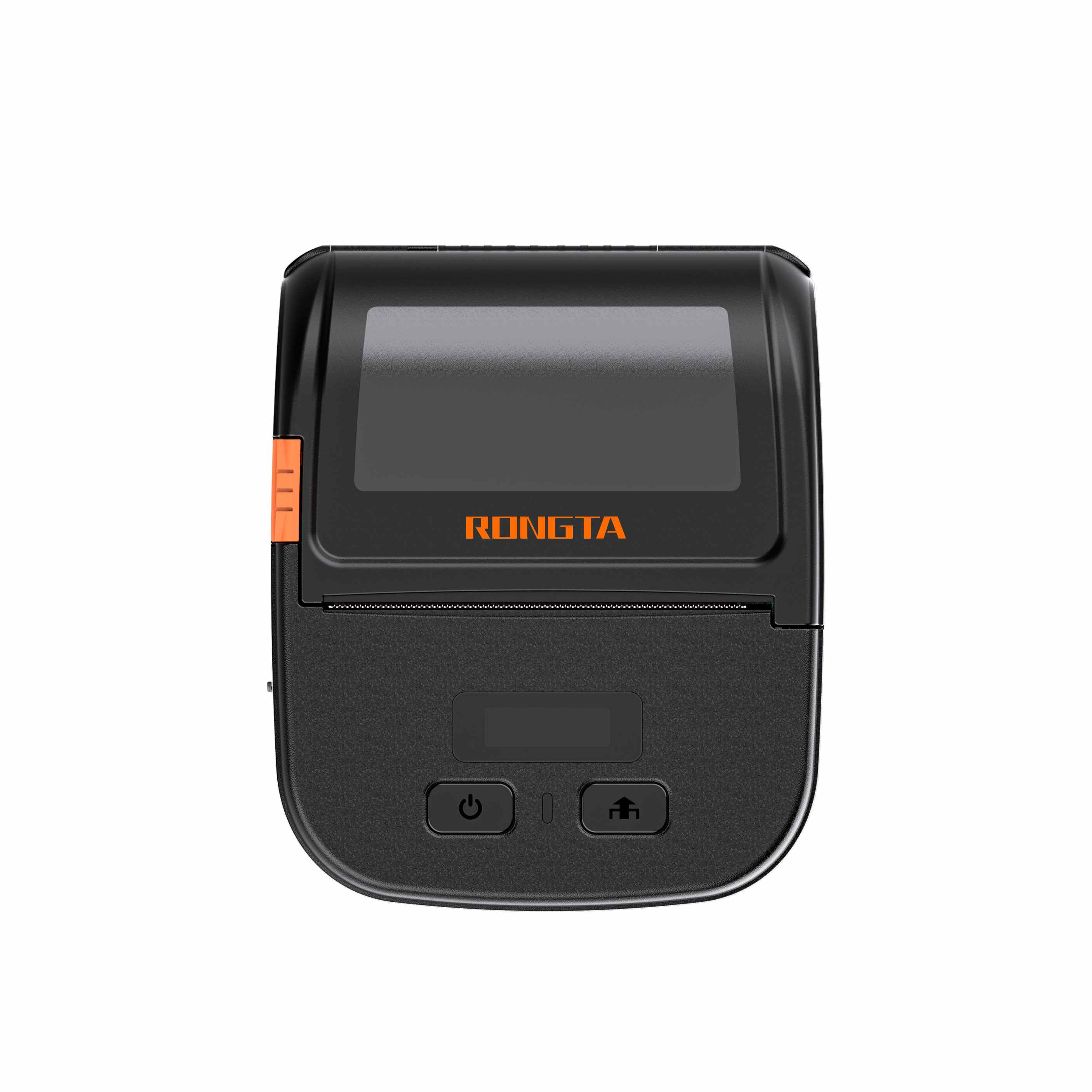 RPP30
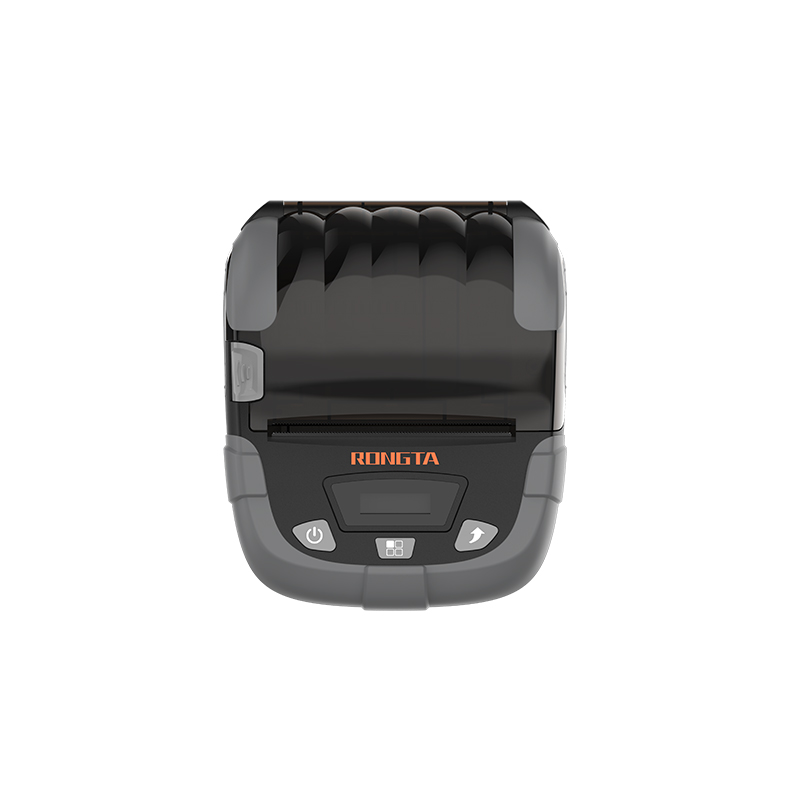 RPP320
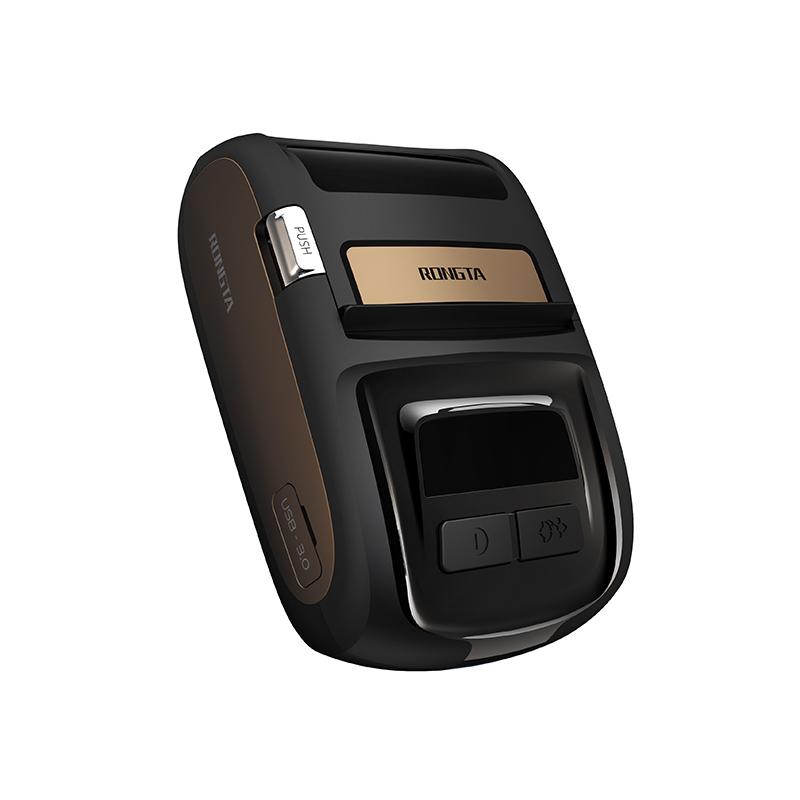 ACE M1
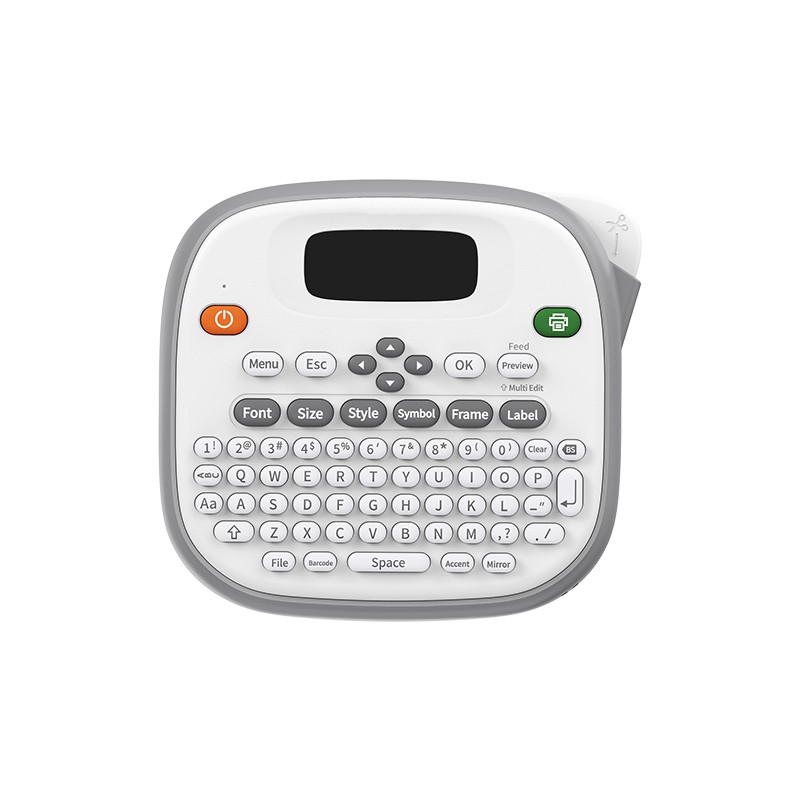 TD210
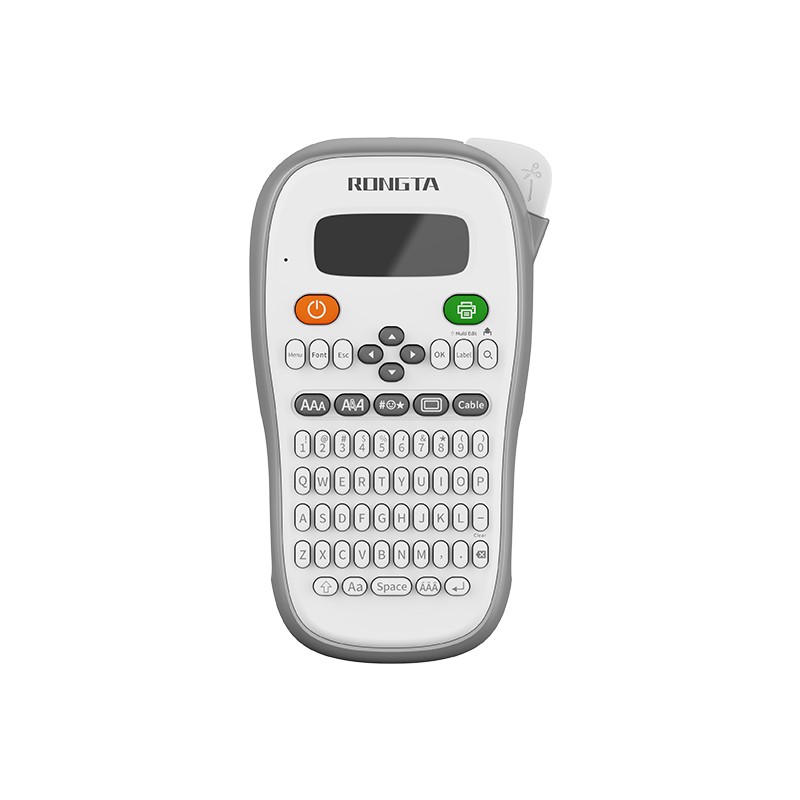 TH110
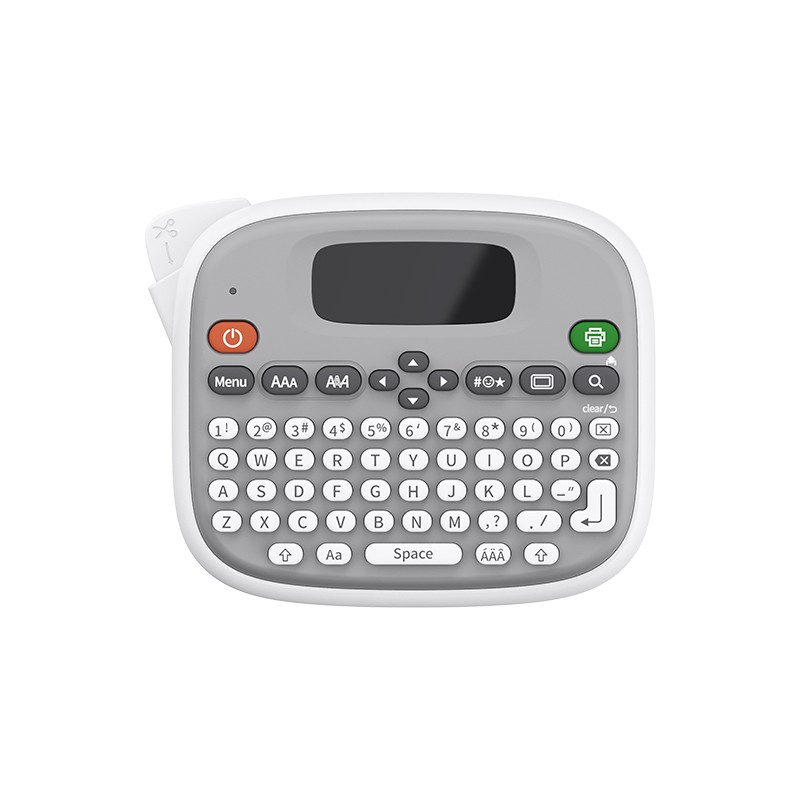 TM95
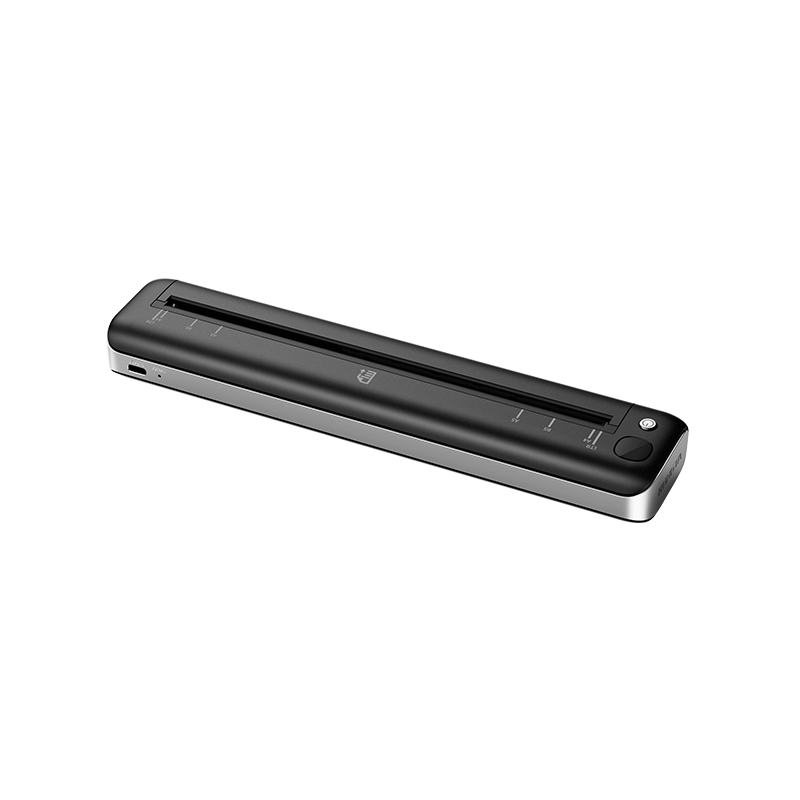 F81A
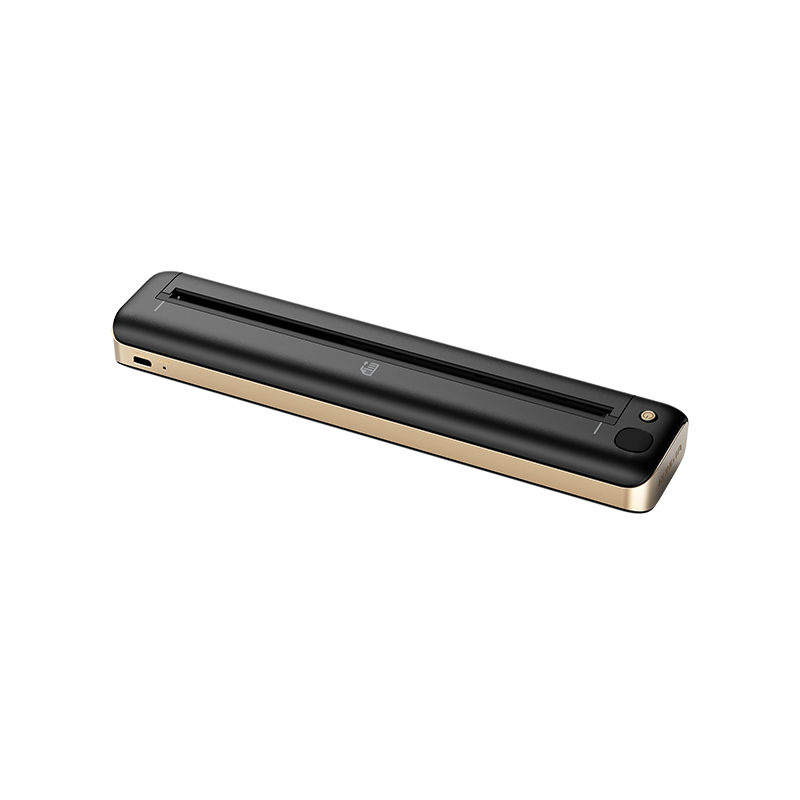 F81S
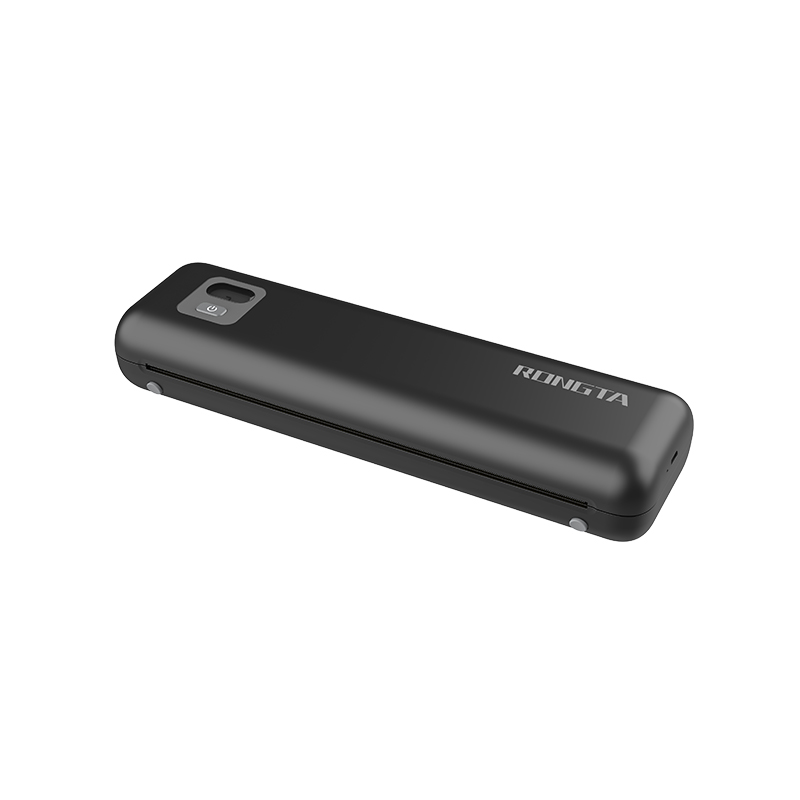 F82A
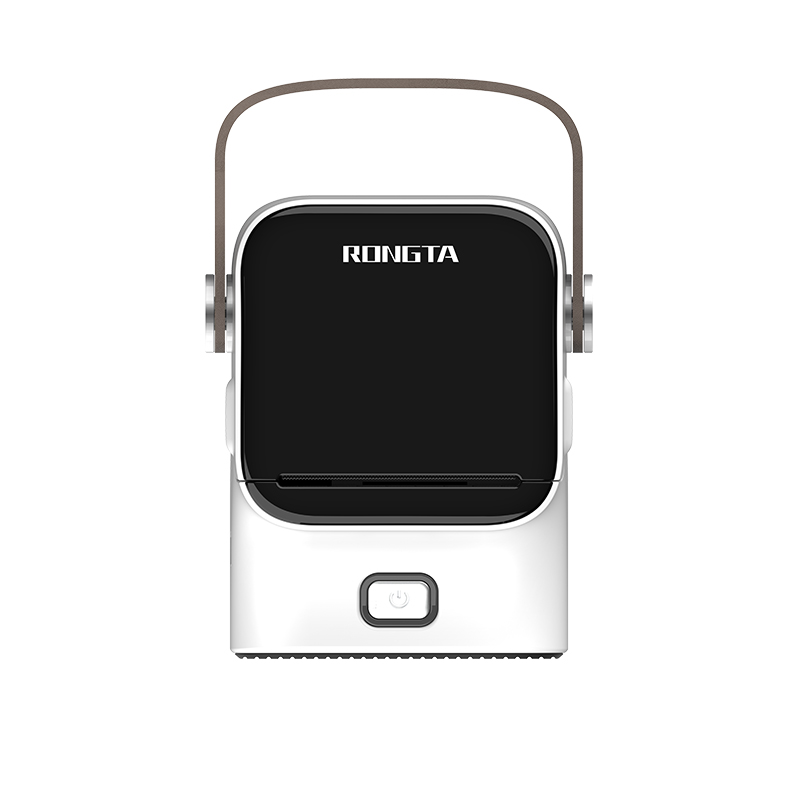 R22
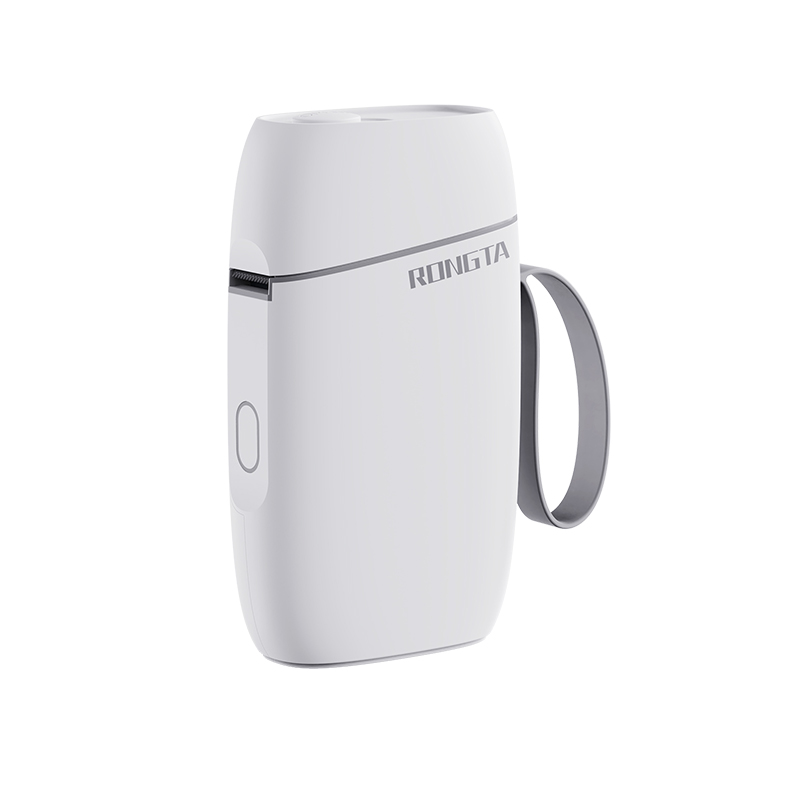 R5
 RLS1315/RLS1330
 RLS1515/RLS1530
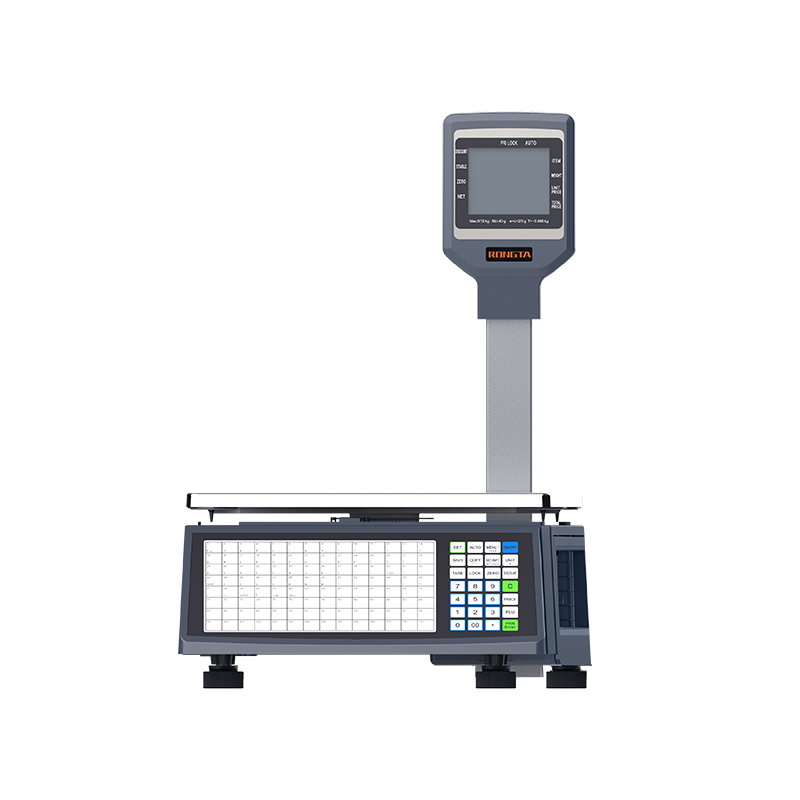 RLS1000/RLS1100A
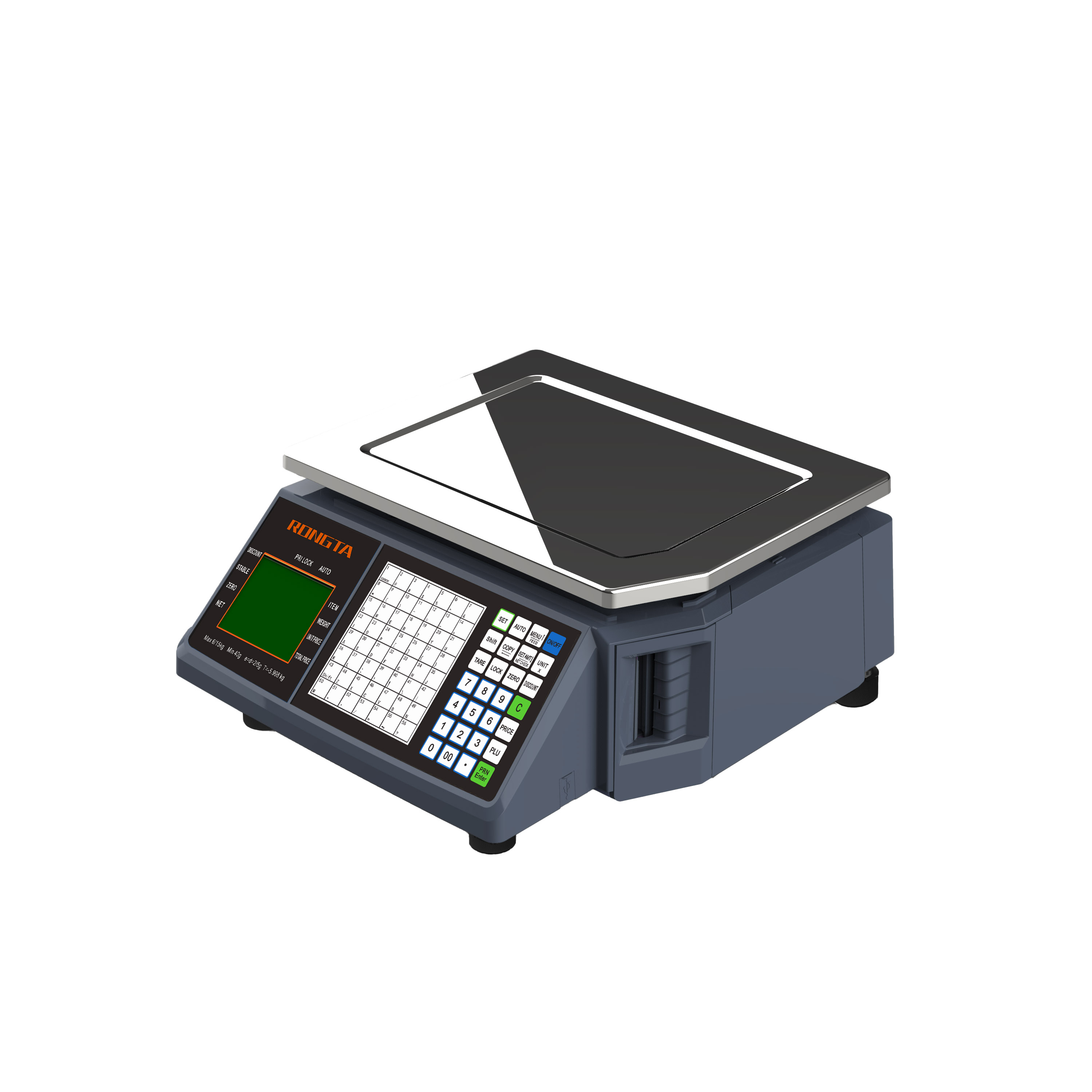 RLS1000/RLS1100B
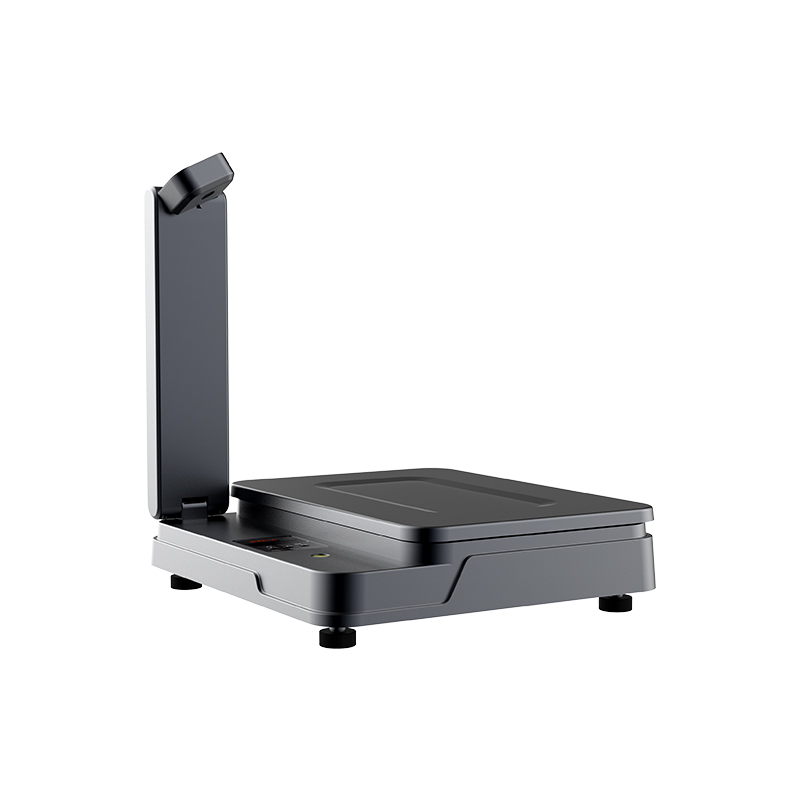 C2-AI
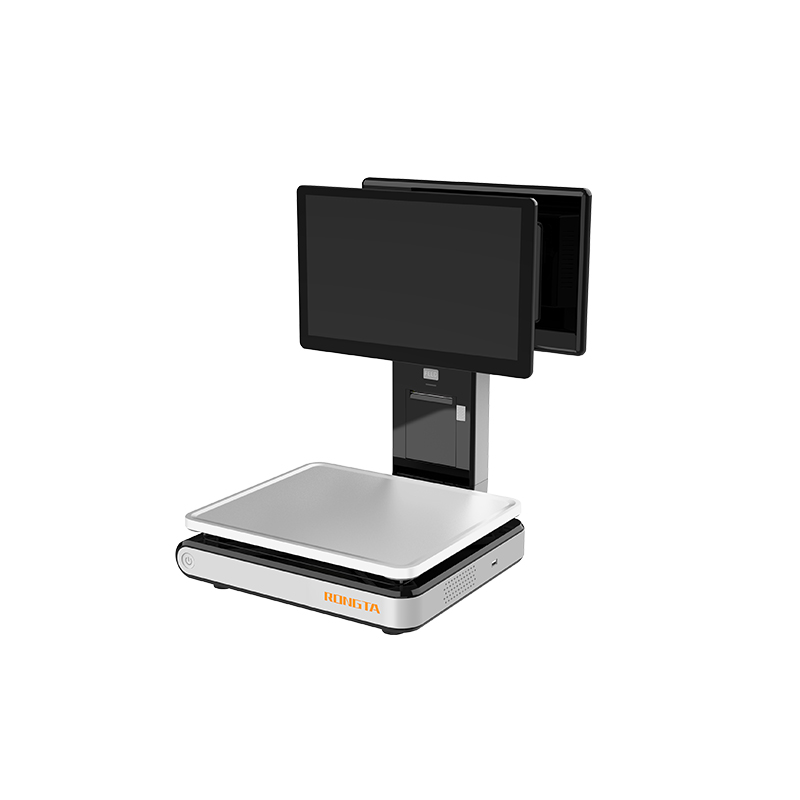 AURORA D2-AI
 AURORA S2L-AI
 AURORA Y2L-AI
 C1
 C11
 C3
 CB628
 RT58
 RT105
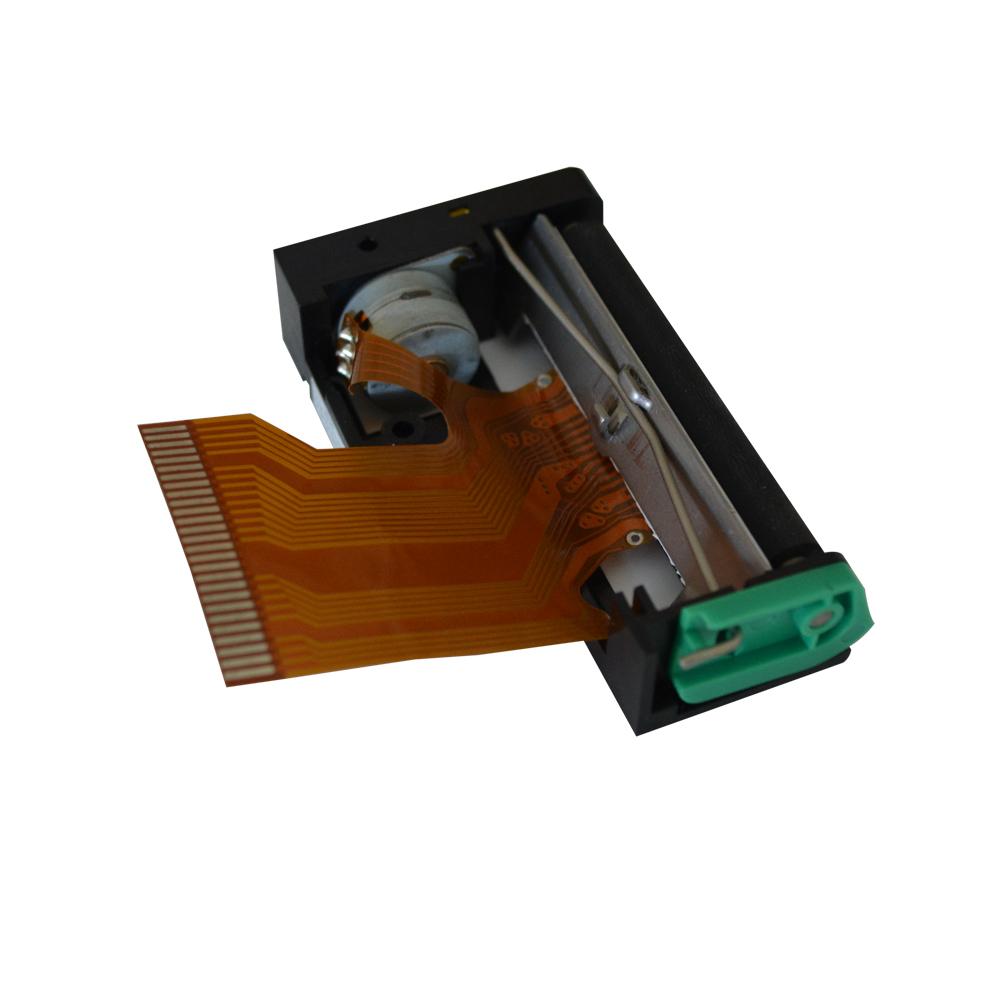 RT205MP
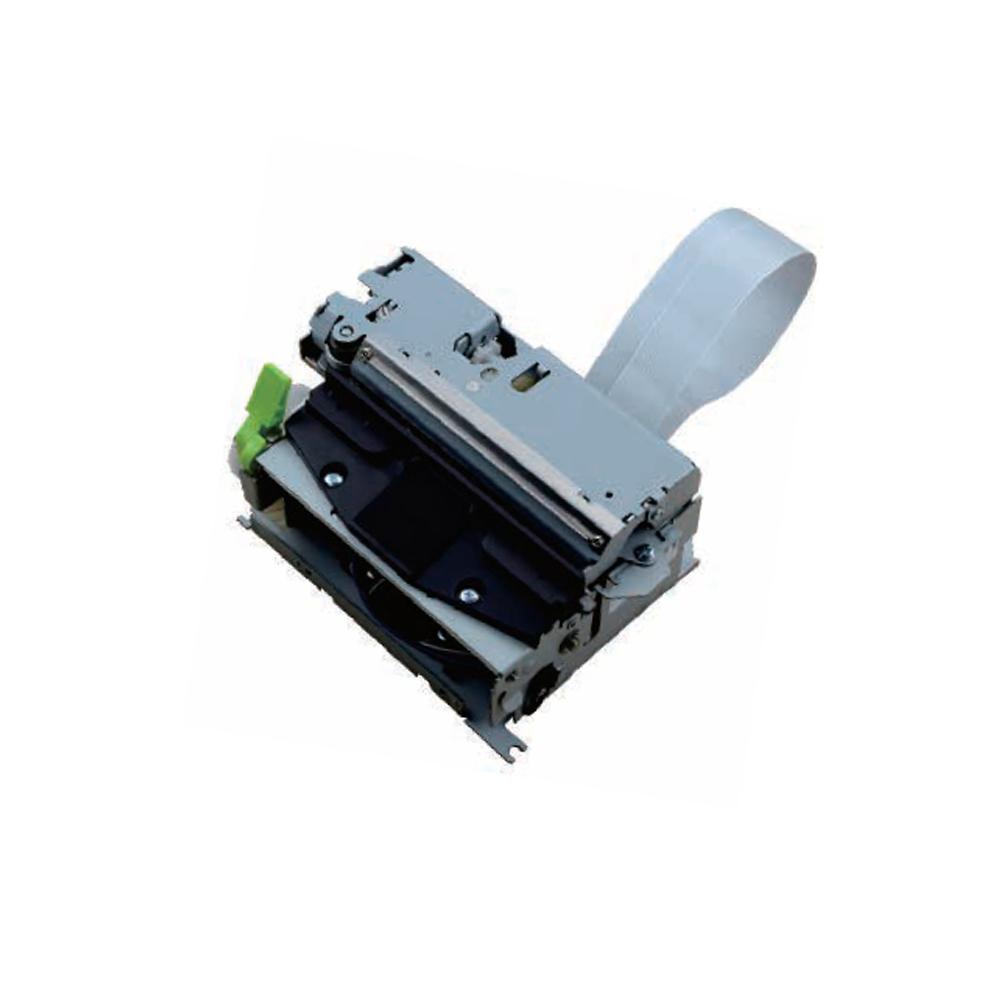 RT532
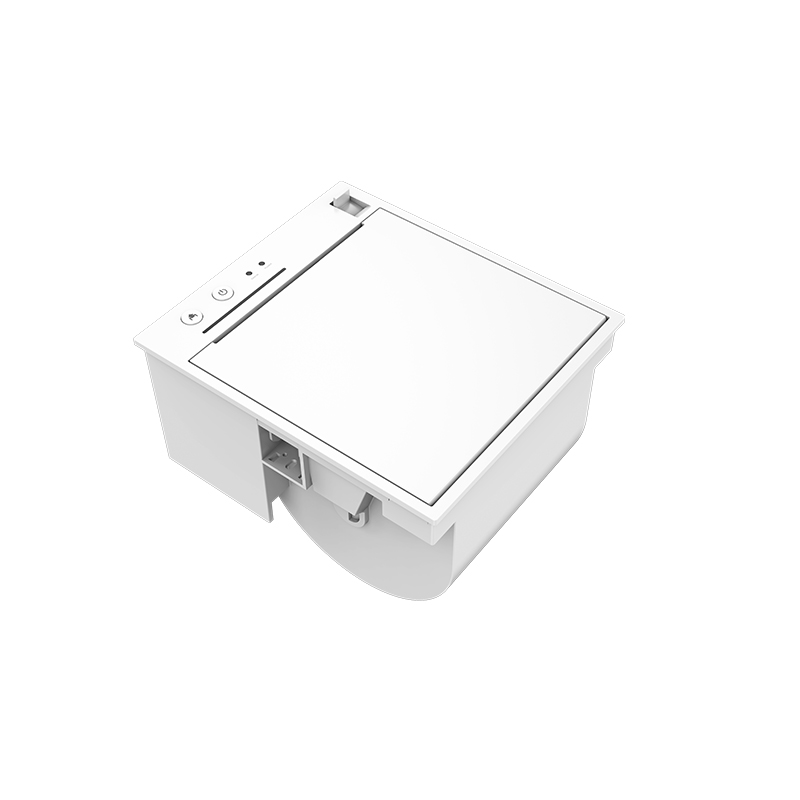 PM315
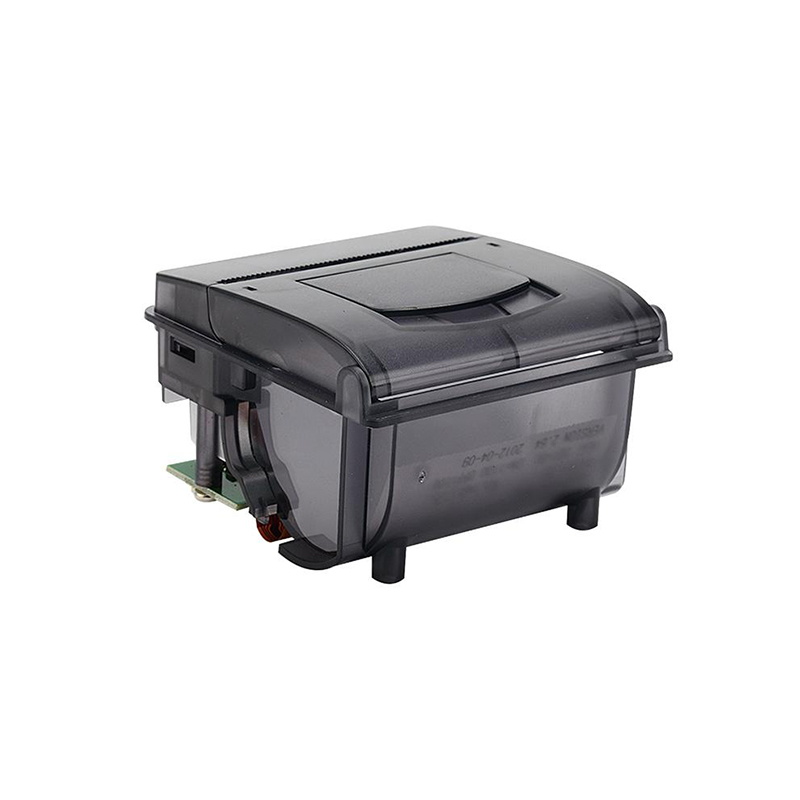 RP203
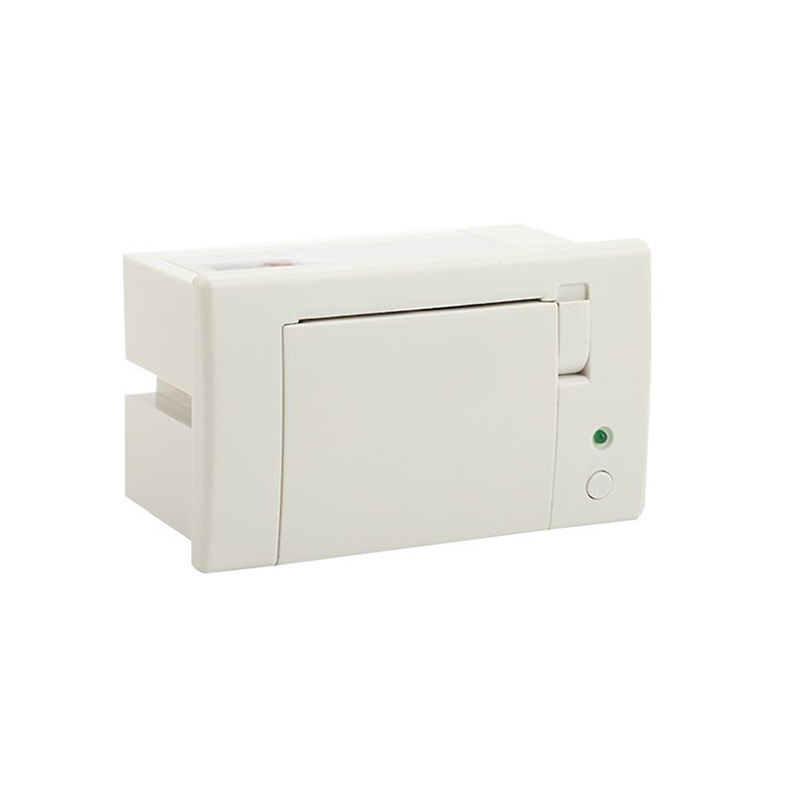 RP07
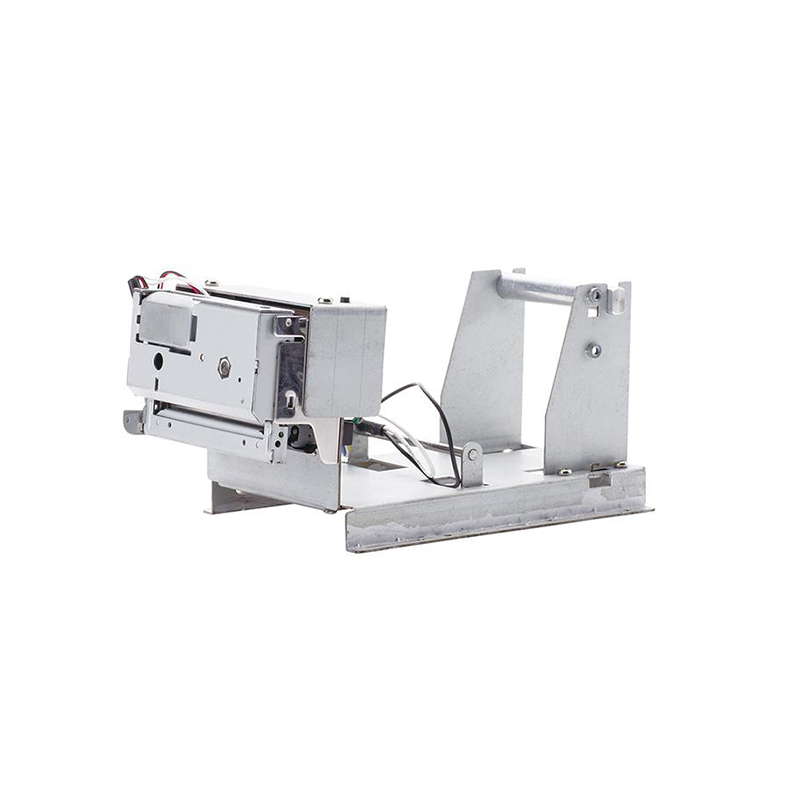 PM201
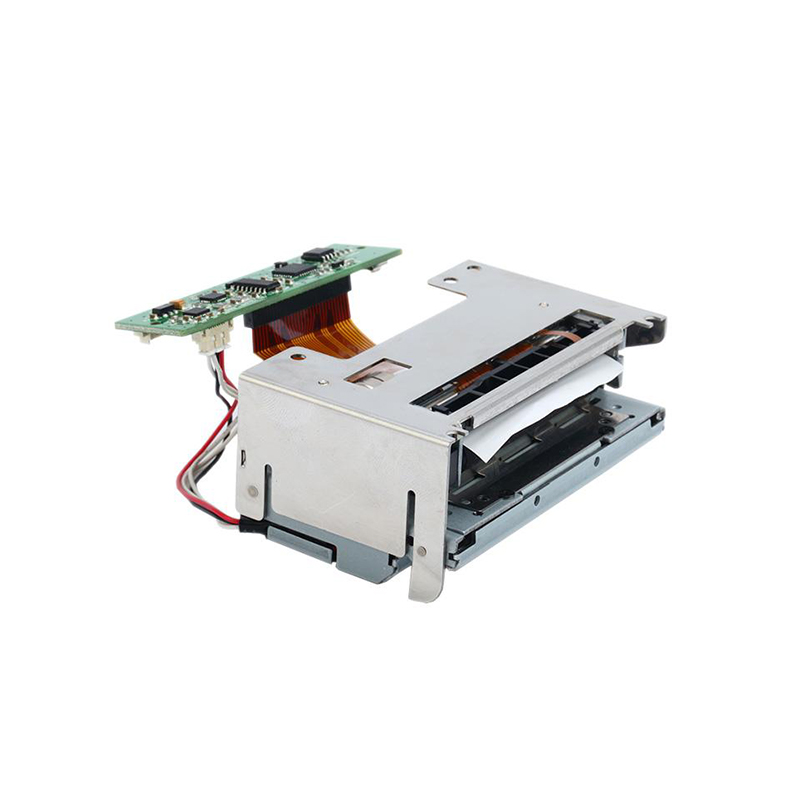 PM628
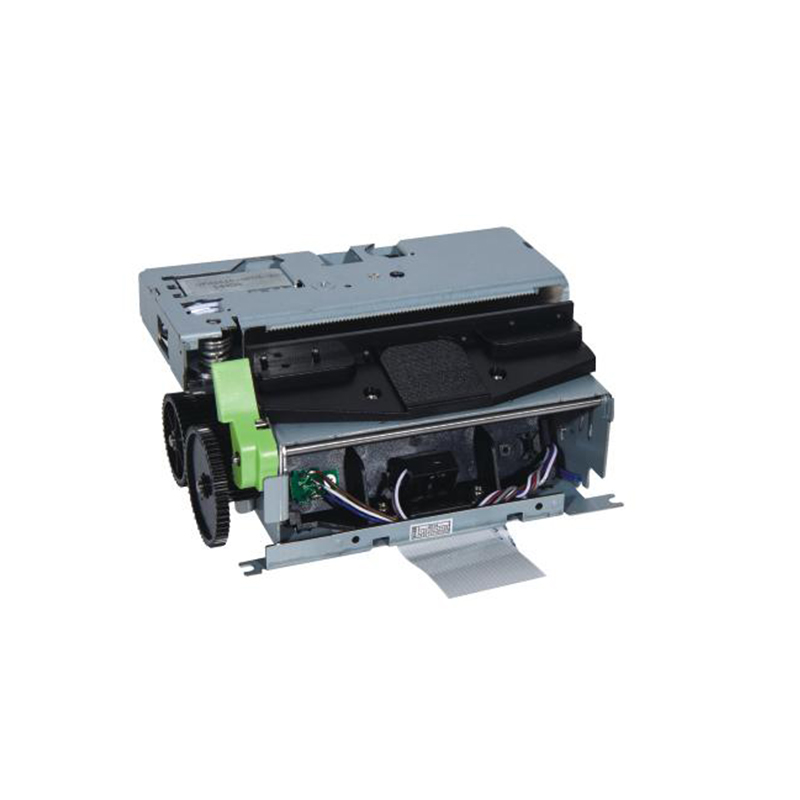 PM532A
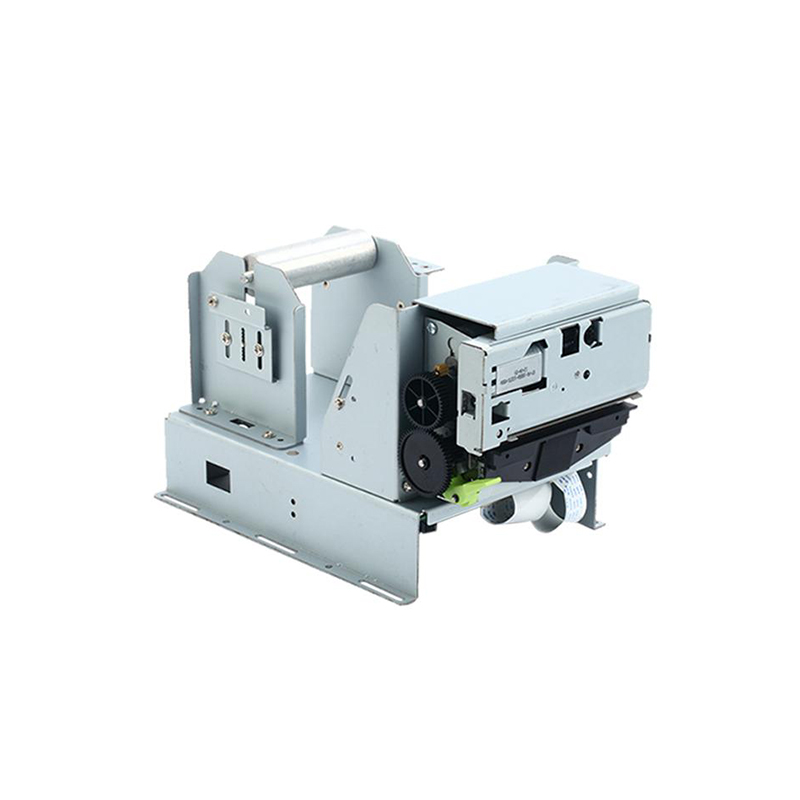 PM532B
 Retail
 Catering
 Medical
 Mobile Office/home
 Asset Management
 Logistics
 Driver Download
 User Manual
 Tool Download
 Label Design Software
 BarTender Video
 Product Video
 SDK
 FAQ
 Company News
 Exhibitions
 Industry News
 Product News
 Rongta Introduction
 Rongta Milestones
 Awards and Qualifications
 R&D Strength
 Rongta Team Activities
 Responsibility

Thermal Printer Pros and Cons: Best Uses and Key Limitations
Thermal printers are widely used for receipts and labels in retail, logistics, and warehousing. A direct thermal printer uses heat from its printhead to activate a coating on thermal paper or labels. This means it typically does not require ink, toner, or a ribbon, making it relatively simple to operate. However, print durability and media compatibility can affect whether it is the right choice for a particular business. Here’s a closer look at the main advantages and limitations of thermal printers.
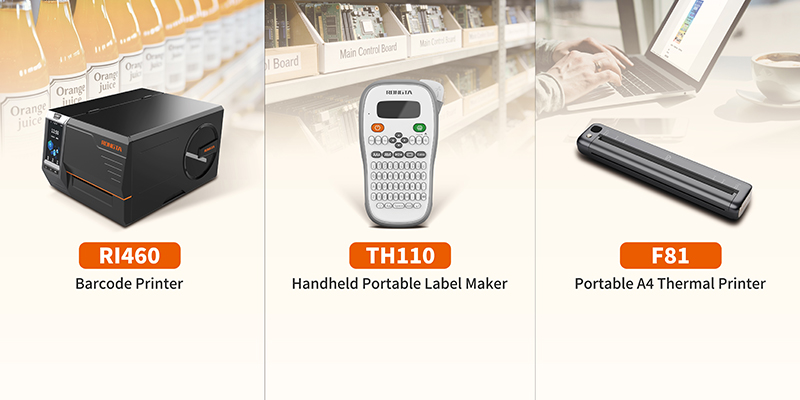
- Key Advantages of Thermal Printers
Simple and Convenient to Use
Thermal printers generally have a straightforward design. In everyday use, operators typically only need to replace the paper roll or label stock, without changing ink cartridges or toner. This can help reduce interruptions at checkout counters and in warehouse operations.
Their relatively simple construction can also make routine maintenance more convenient. However, failure rates and maintenance costs vary depending on the printer model, print volume, and operating conditions.
Fast Printing and Straightforward Consumables
Printing speeds vary by model. Some thermal printers can print at speeds of 30 to 500 mm per second, although actual performance depends on the device specifications and print settings. For businesses that regularly print receipts or labels, fast output can help keep work moving.
Direct thermal printing does not require ink or toner, which simplifies consumables management. Thermal paper and labels still need to be replenished, so the actual cost should be assessed based on the printer price, media cost, and print volume. For short-term, high-volume printing, consumables can be relatively straightforward to manage.
Compact and Quiet
Many thermal printers have a compact footprint, making them suitable for checkout counters, mobile workstations, and other space-constrained environments. Some portable models can be carried in one hand, such as RPP200 thermal portable printer, which is useful for printing on site or while on the move.
Compared with some traditional printing devices, thermal printers also tend to operate quietly, making them suitable for offices and customer-facing environments where excessive noise may be disruptive.
No Toner Powder
Direct thermal printers do not use toner, so they do not produce toner dust. The chemical formulation of the thermal paper is a separate consideration. Buyers can check product specifications and choose paper identified as BPA-free or free of phenolic developers, depending on their requirements and use case.
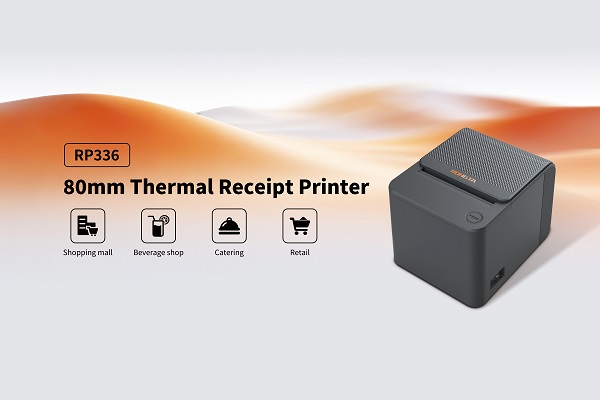
- Main Limitations of Thermal Printers
Printed Content May Not Last
Thermal paper is sensitive to light, heat, and humidity. How long a print remains legible depends on the paper quality and storage conditions. Under less-than-ideal conditions, text on standard thermal paper may fade within 3 to 12 months and eventually become difficult to read.
For this reason, direct thermal printing is generally better suited to short-term use than to long-term recordkeeping or permanent archiving. Thermal paper can also be affected by water, oil, and abrasion. If receipts or labels will be exposed to moisture, heat, or frequent handling, check the media specifications and consider whether another printing method would be more suitable.
Limited Media and Print Options
Direct thermal printers typically require thermal paper or thermal labels. Unlike many inkjet or laser printers, they are not designed to print on any standard paper or on materials such as fabric or metal. Most common thermal printers also produce monochrome output, so they may not be suitable for color printing or detailed image reproduction.
If your business needs to print on a wider range of materials or requires more durable labels, consider a thermal transfer printer. Thermal transfer printing uses a ribbon to transfer the image onto the media. Some models support paper and synthetic label materials, but compatibility depends on the printer and media specifications.
Thermal Paper Composition and Disposal
Thermal paper formulations vary. Some products may contain bisphenol A (BPA) or other developing chemicals. For workers who handle receipts frequently, it may be worth reviewing the paper’s product information and choosing media that meets the business’s requirements. BPA-free paper should also be evaluated based on the supplier’s information about its alternative formulation, rather than on the label alone.
Thermal paper may not be suitable for disposal with ordinary
recyclable paper. Whether it can be recycled depends on its coating and local recycling rules. Businesses with specific environmental requirements should ask their supplier about the paper’s composition and follow local disposal guidance.
Storage and Operating Conditions Matter
Thermal paper should generally be stored away from direct light and moisture, and protected from prolonged exposure to high temperatures. Poor storage conditions can affect both the paper’s ability to print and the durability of the printed content.
In workplaces with significant temperature changes, oil, or moisture, businesses should check the media and printer specifications before choosing a thermal printing setup.
- When Should You Choose a Thermal Printer?
Thermal printers are often a practical choice when fast printing, simple operation, and straightforward maintenance are priorities. Common applications include retail receipts, short-term shipping labels, and warehouse labels used for inventory handling.
Their main limitations relate to print durability, media compatibility, and resistance to environmental conditions. If printed information must remain legible for a long time, or labels need to withstand water, oil, or abrasion, thermal transfer or another printing technology may be a better fit.
Before choosing a printer, consider your print volume, label material, required storage life, and working environment. Comparing the total cost of the printer and consumables can also help you select a solution that fits your day-to-day needs.