
 80mm Receipt Printer
 ACE H2
 RP331
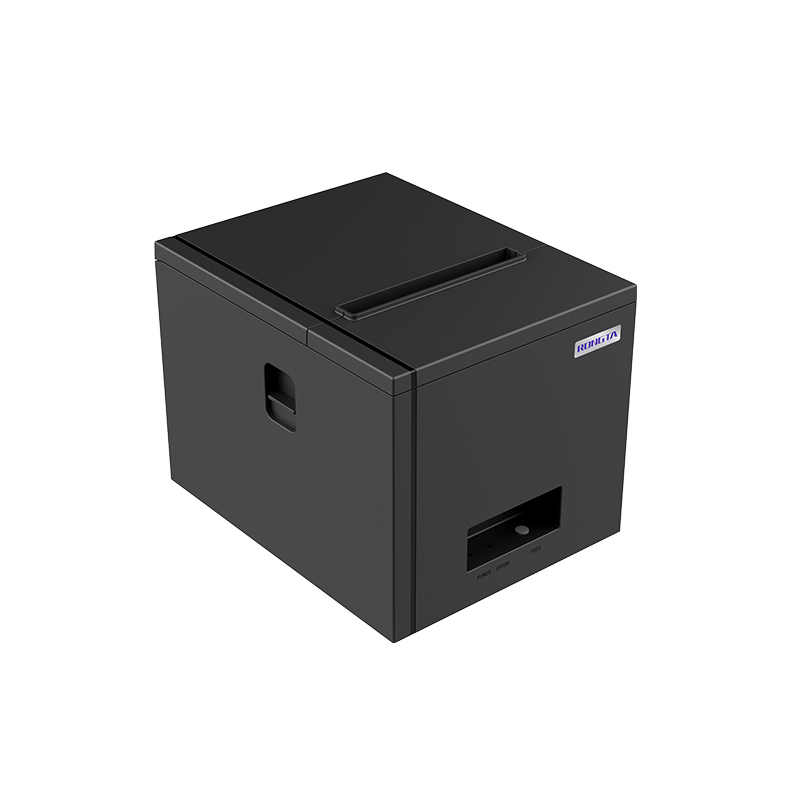 RP350
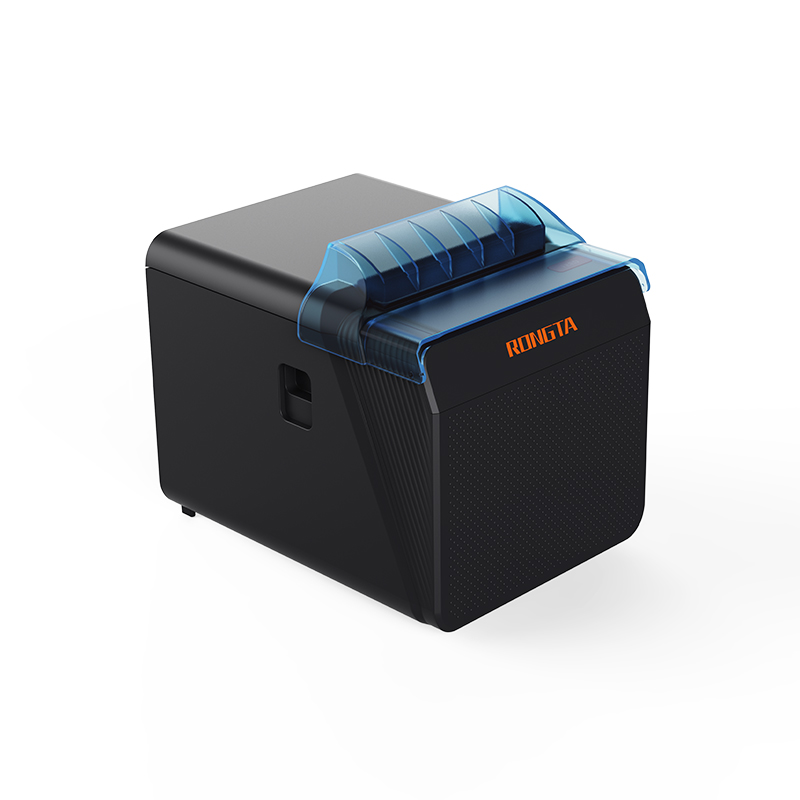 RP337
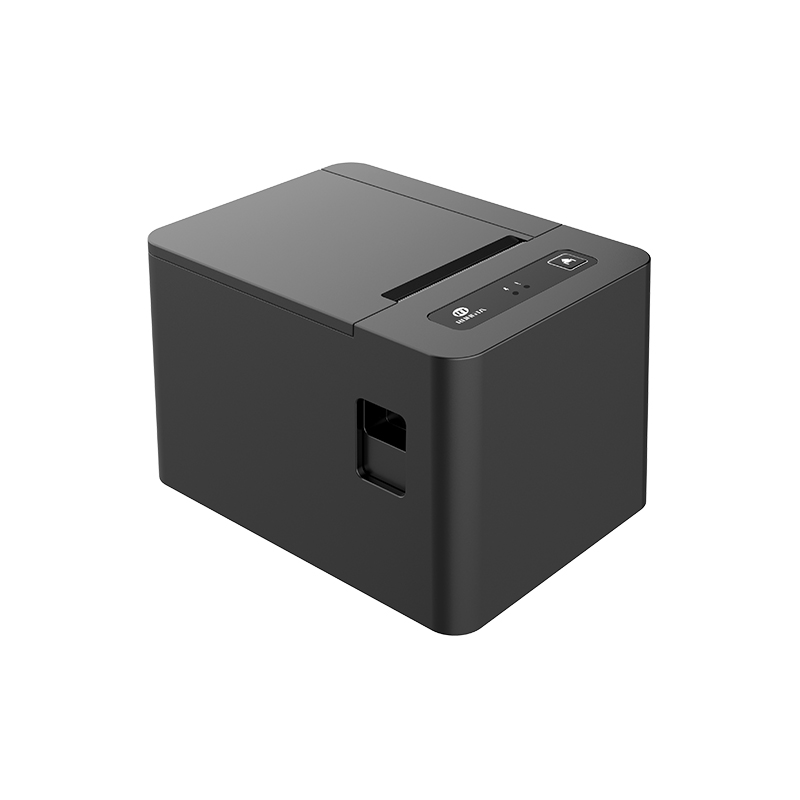 RP582
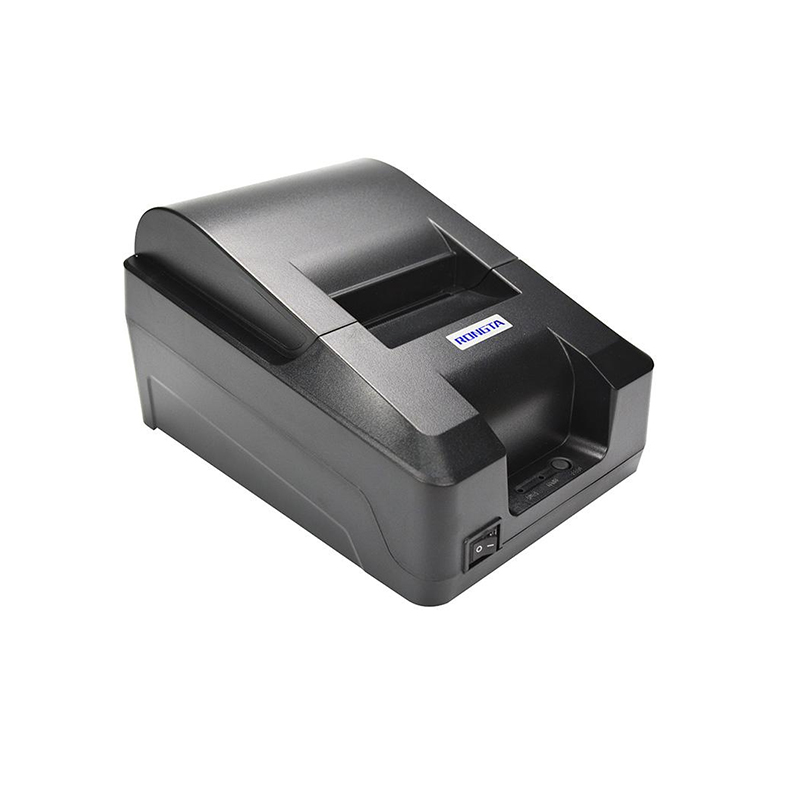 RP58A
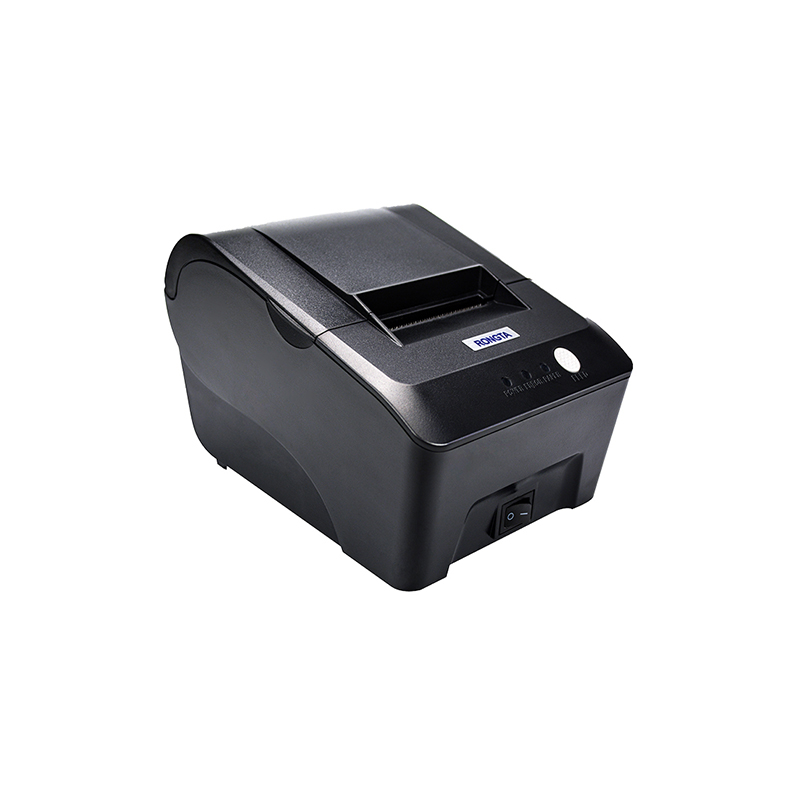 RP58E
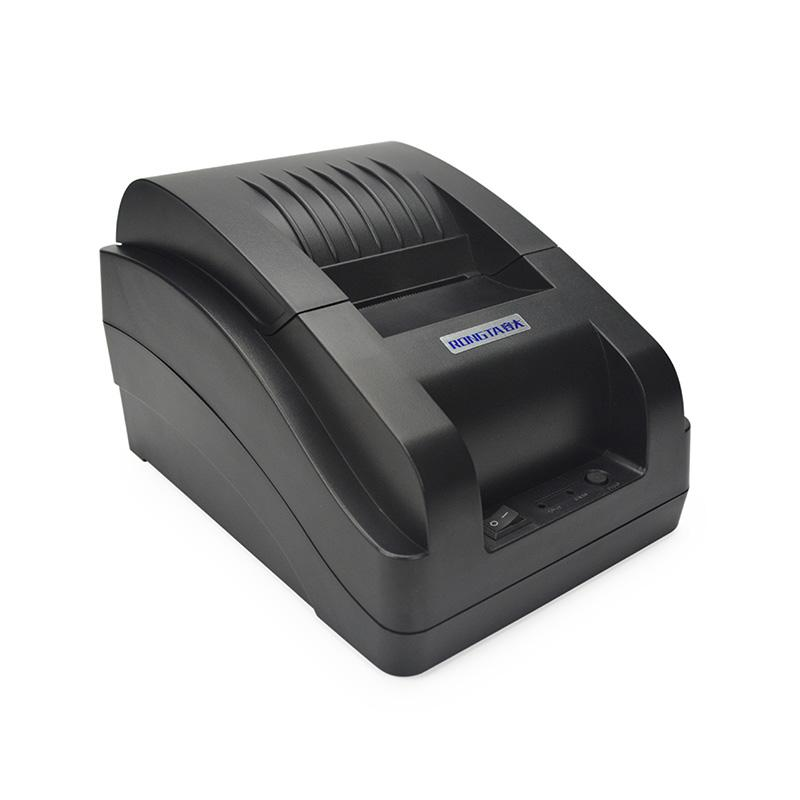 RP58B
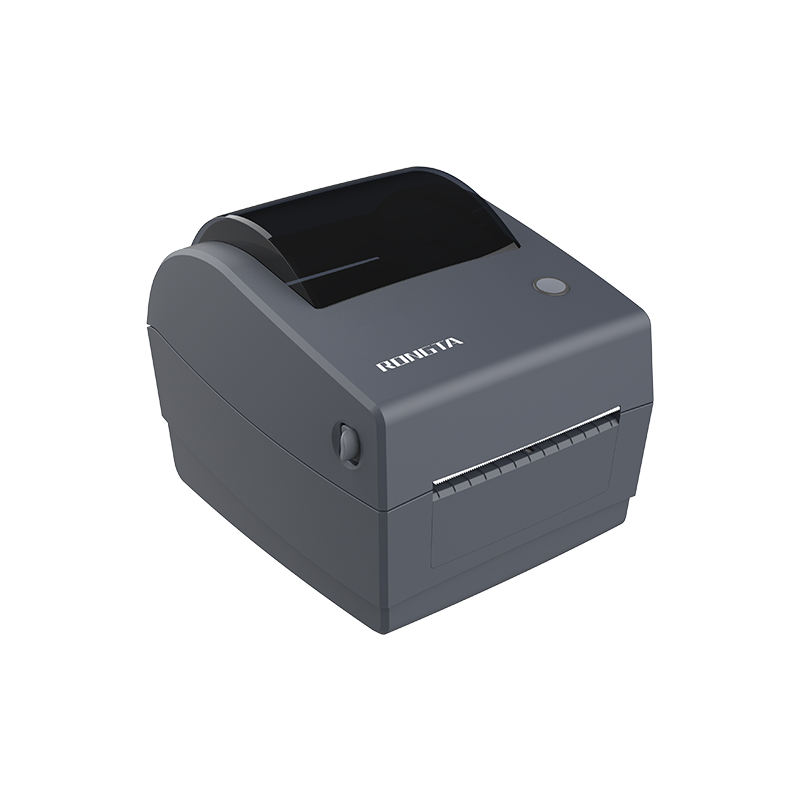 RP310D
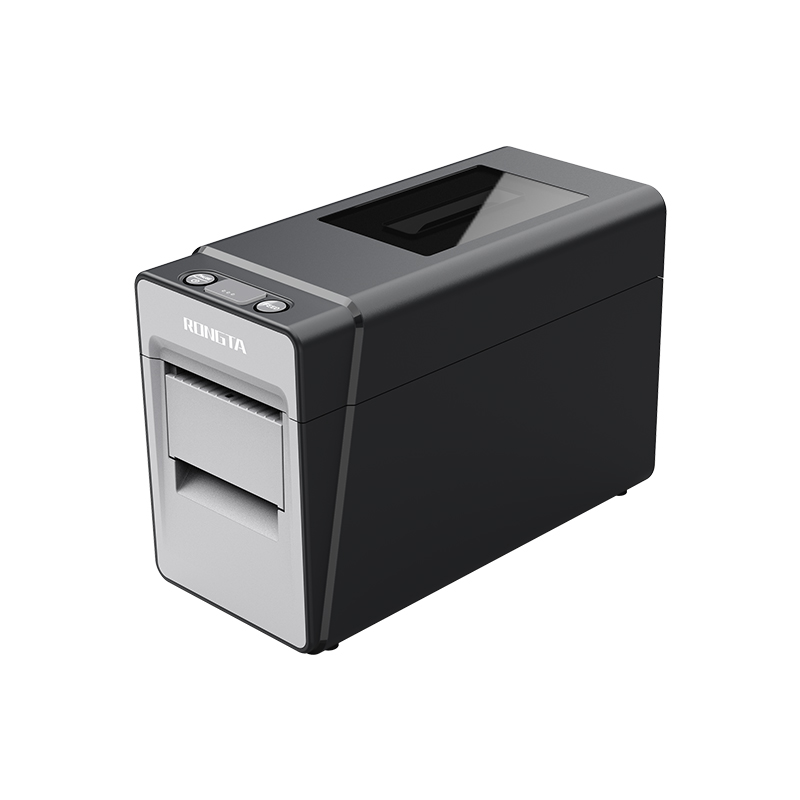 RP216
 ACE V1S
 RP211
 RP425/RP425C
 RP422
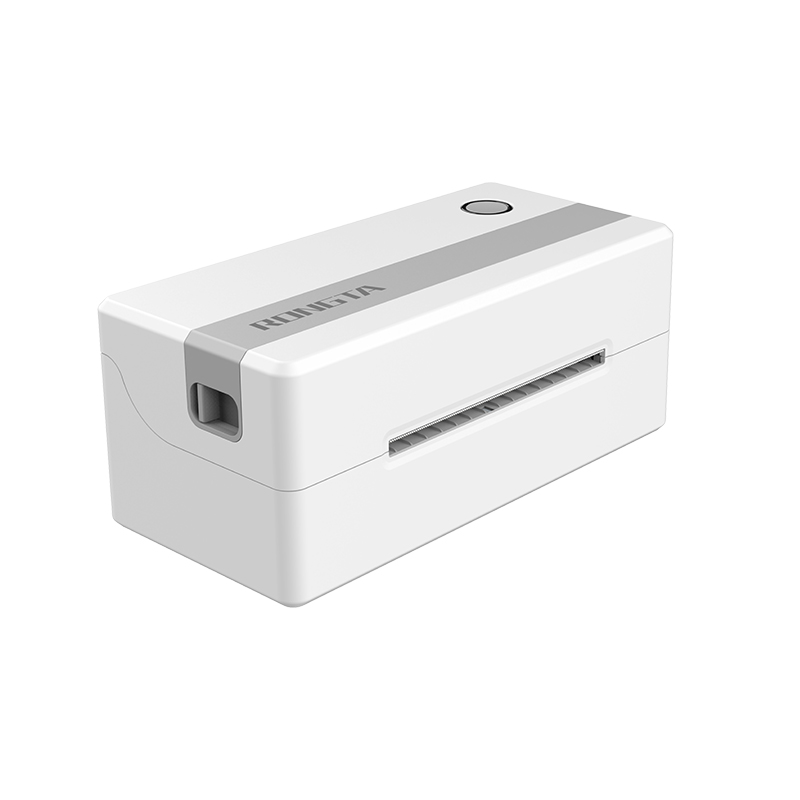 RP421A-Airprint
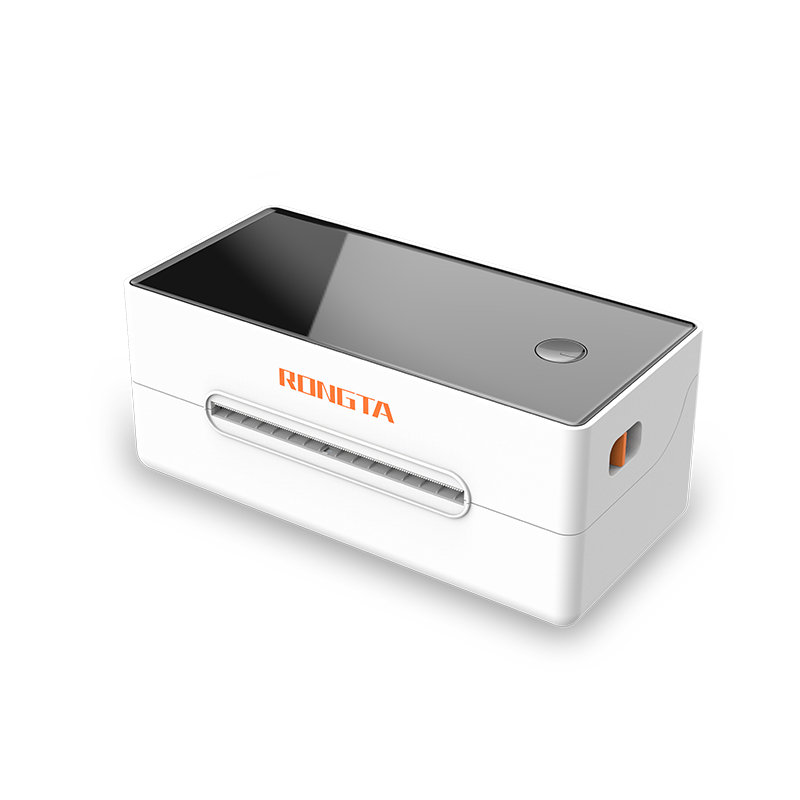 RP421
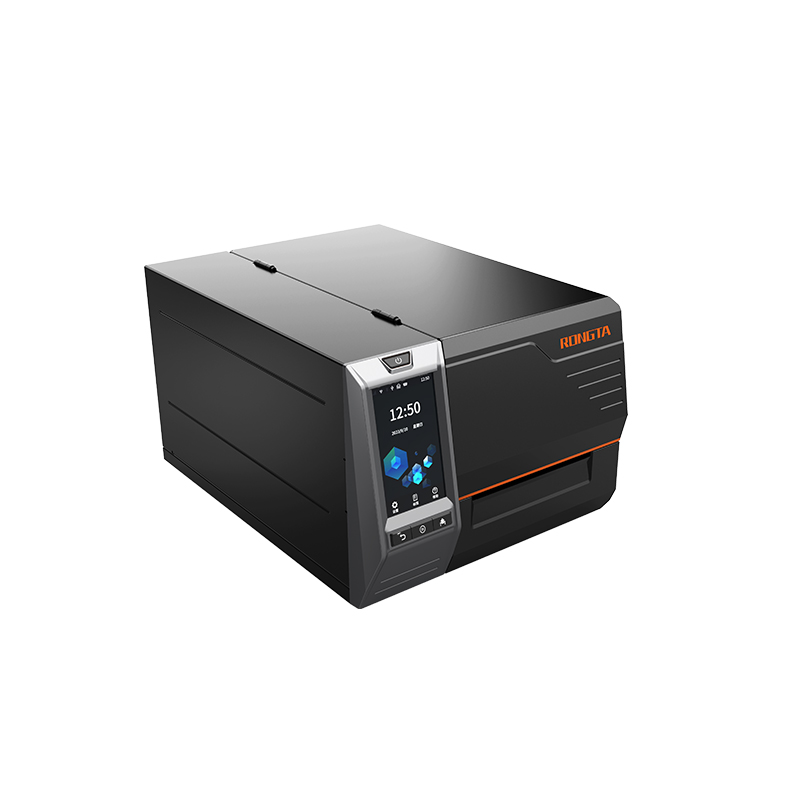 RI460/RI463/RI460r
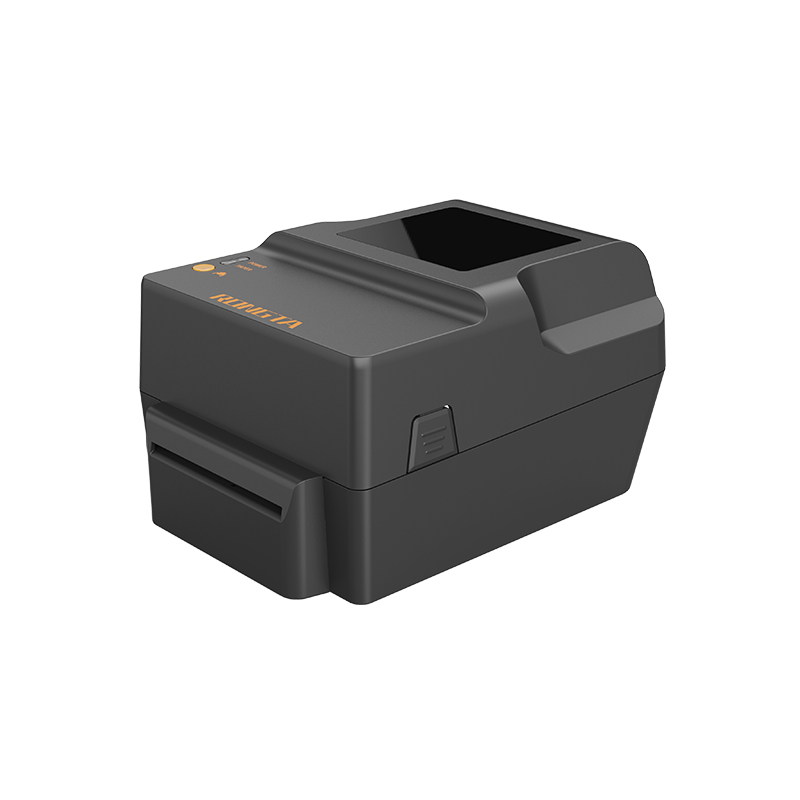 RP400H
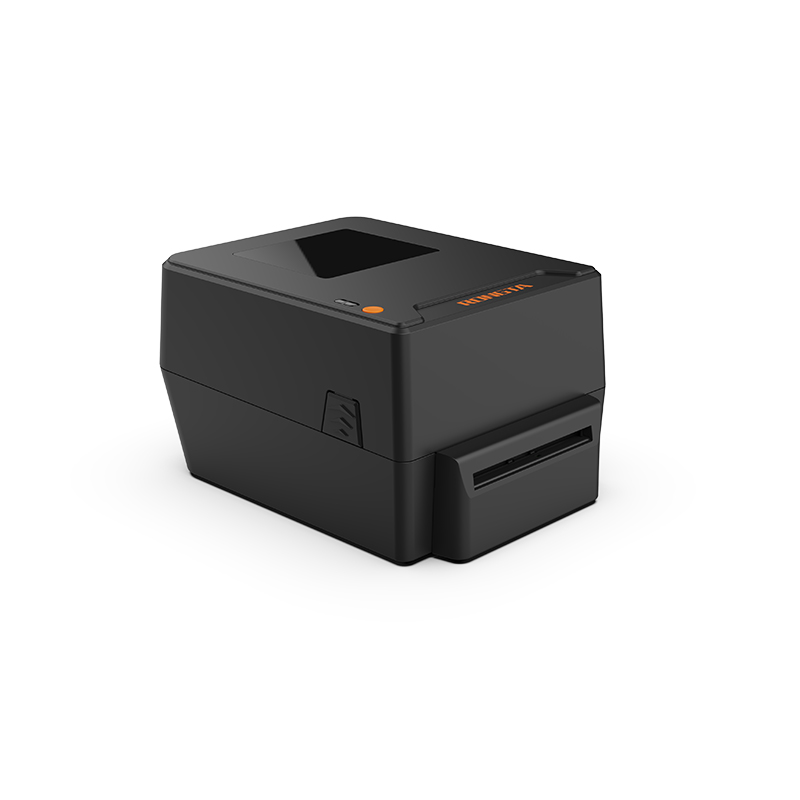 RP400A
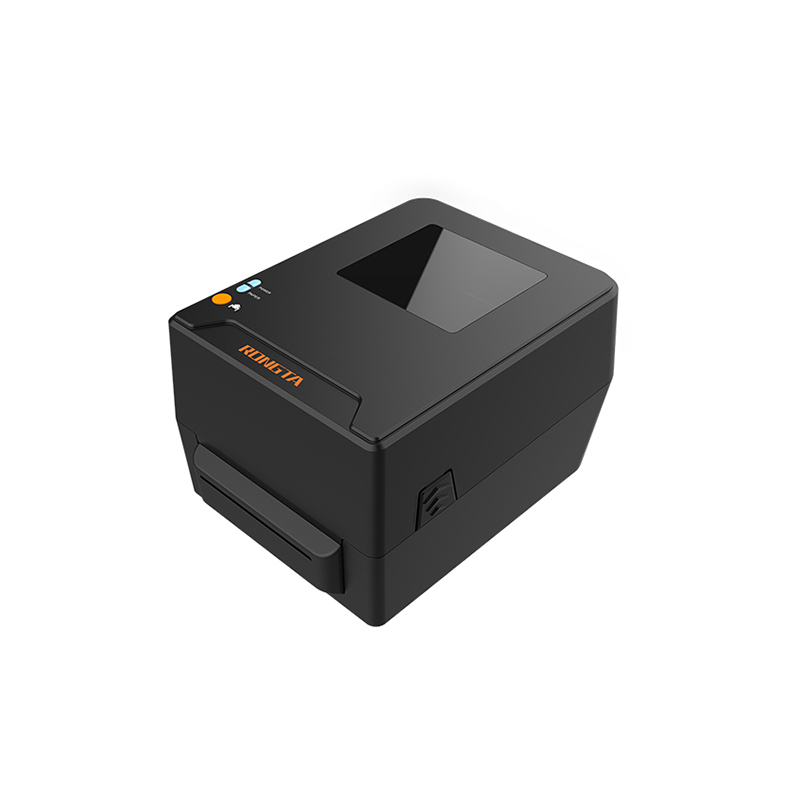 RPF412
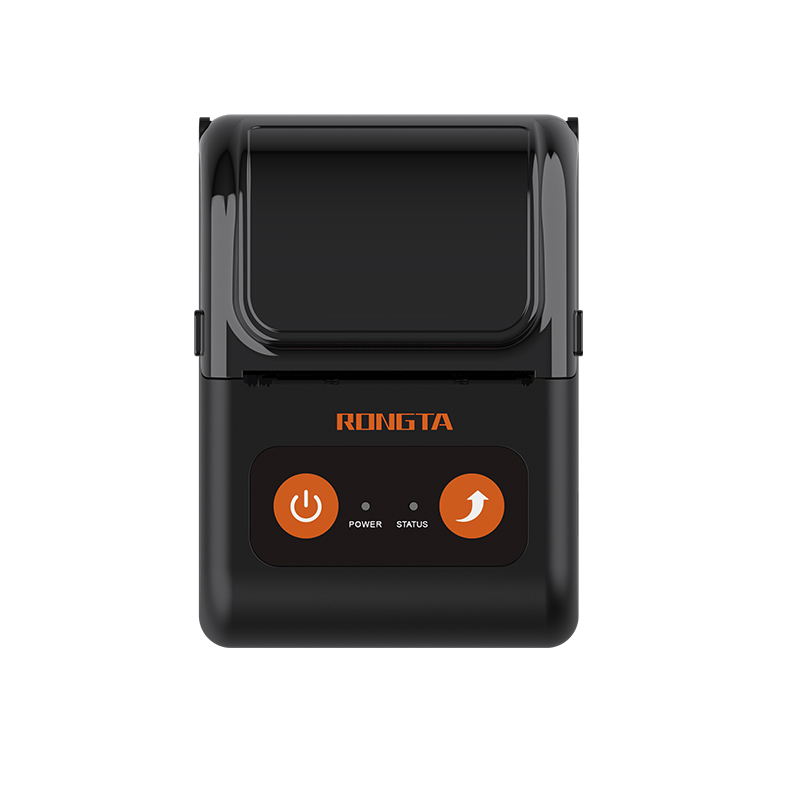 RPP02C
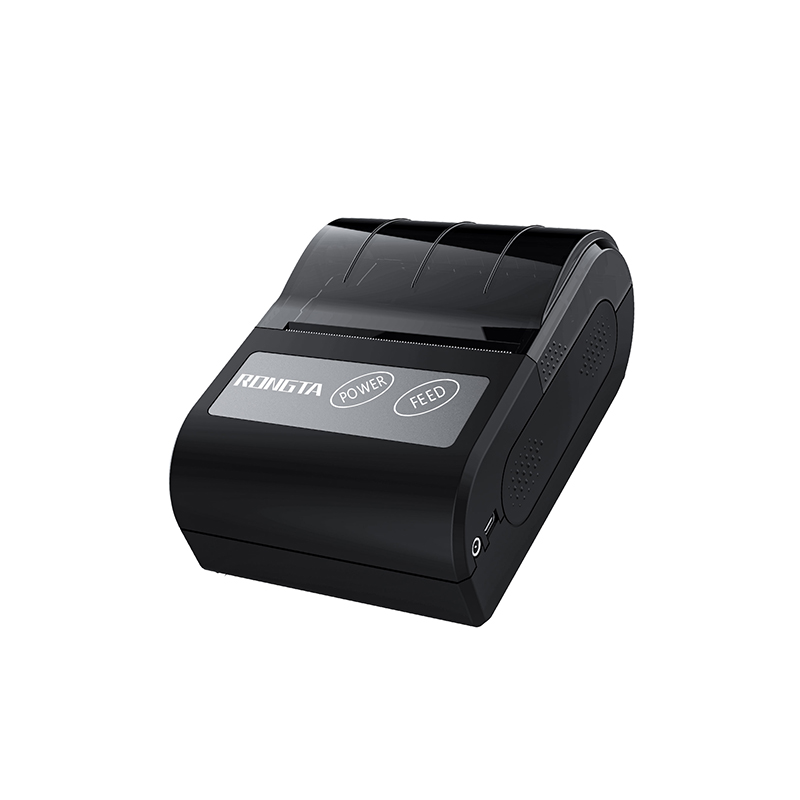 RPP02N
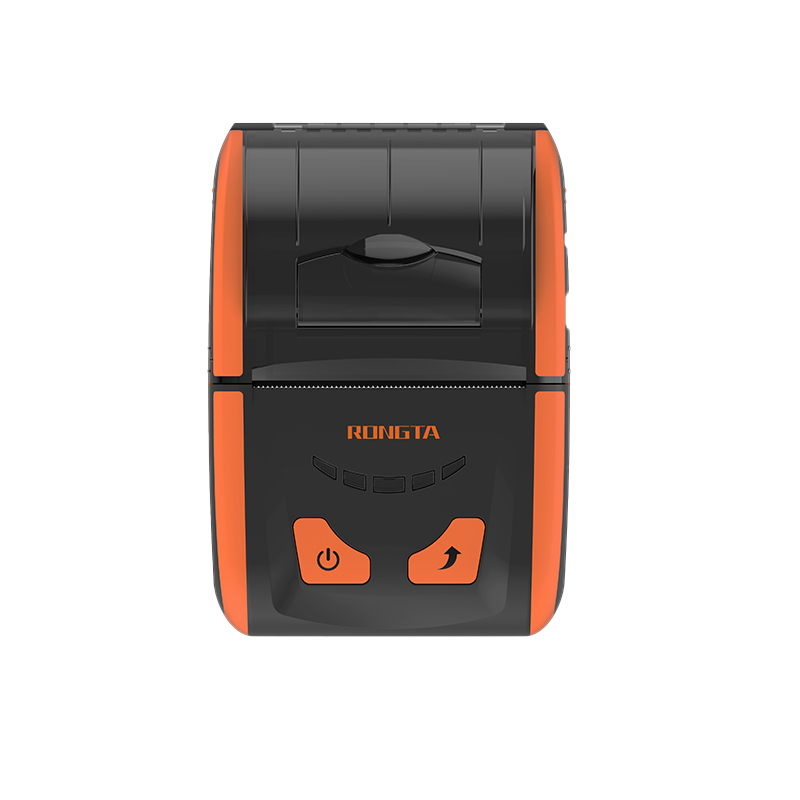 RPP200
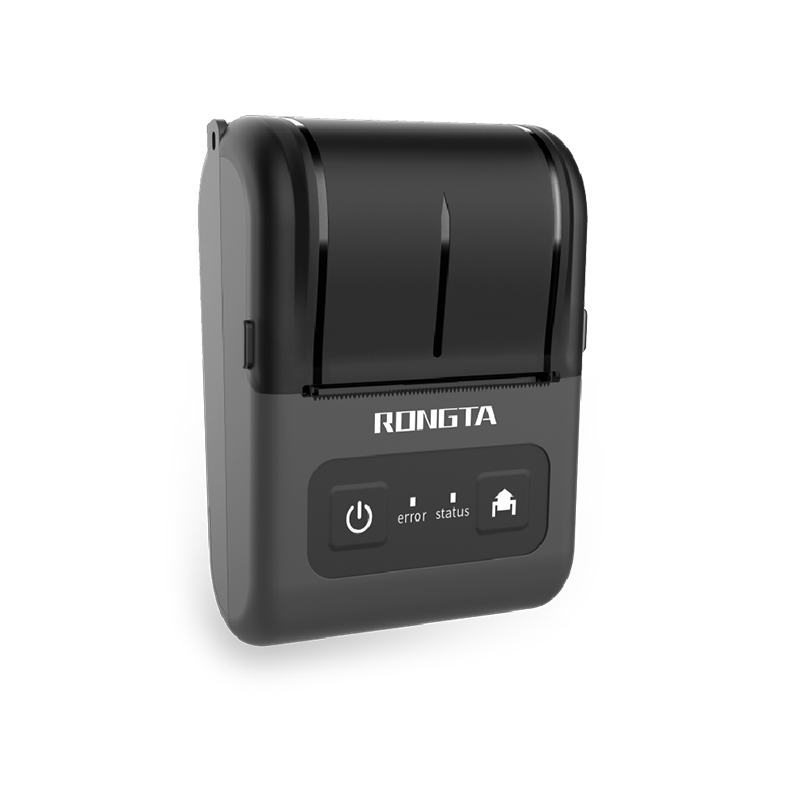 RPP02D
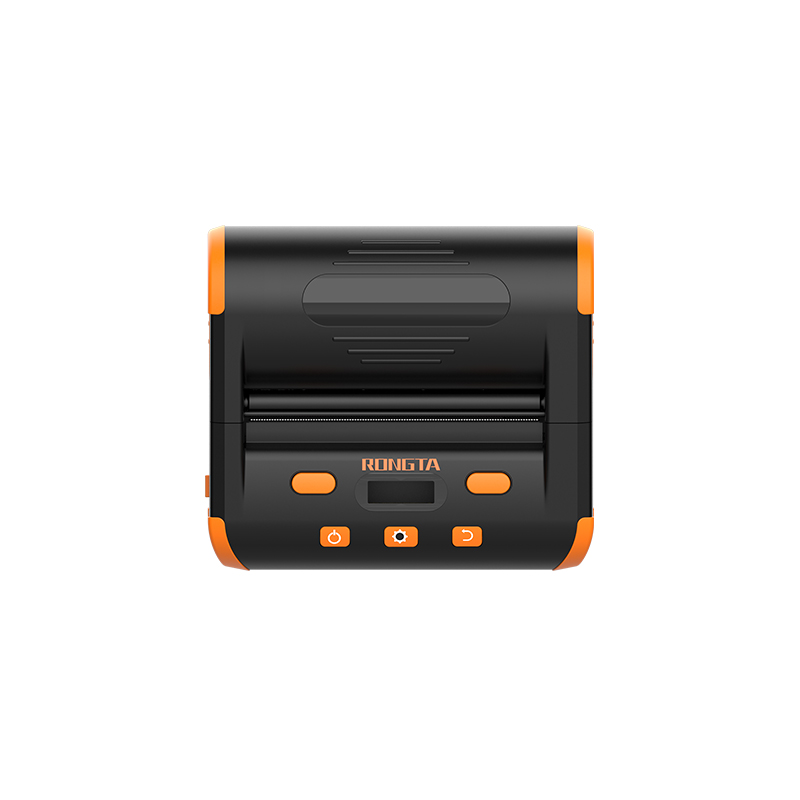 RPP04
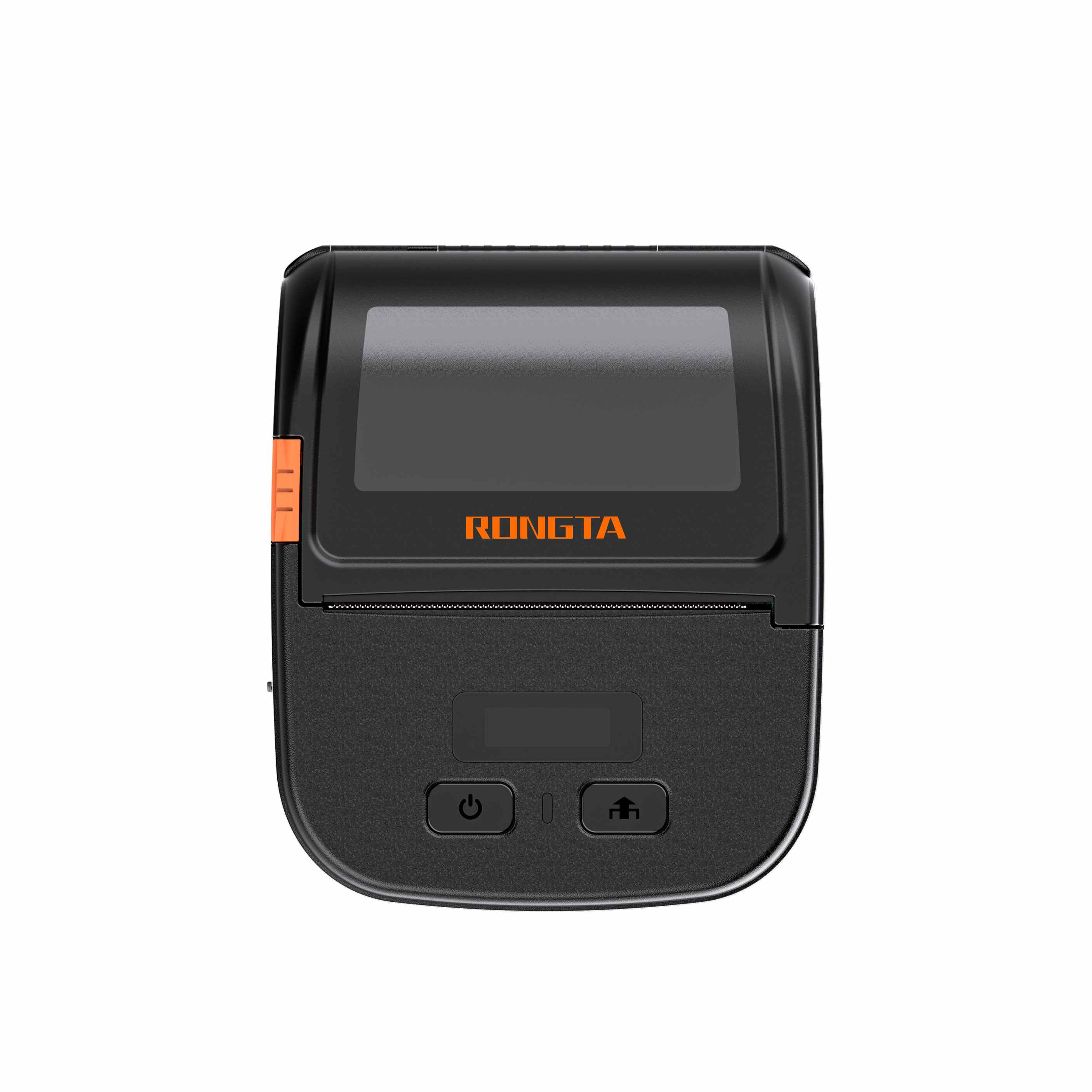 RPP30
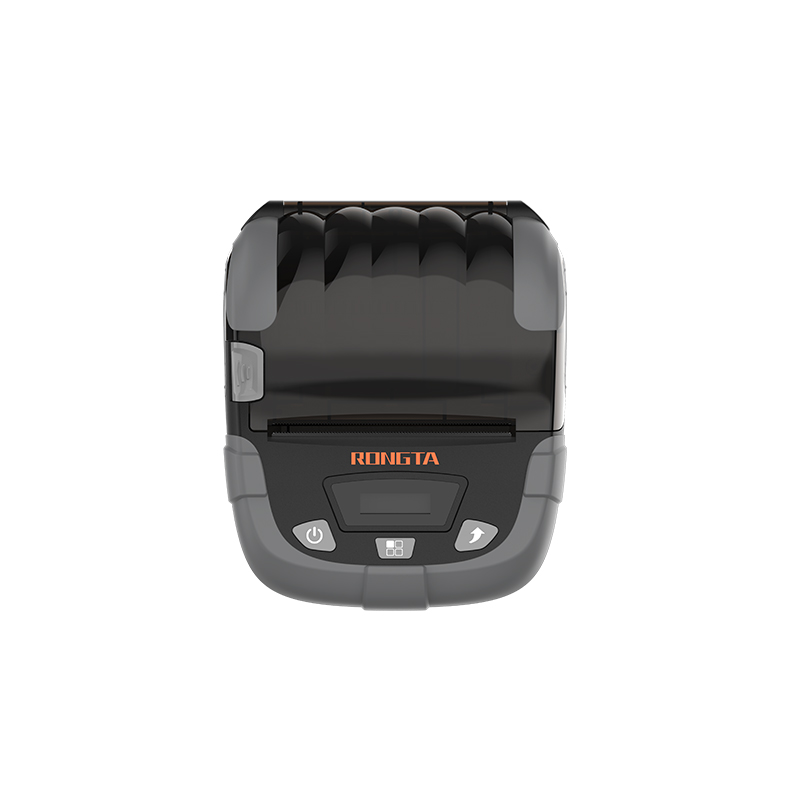 RPP320
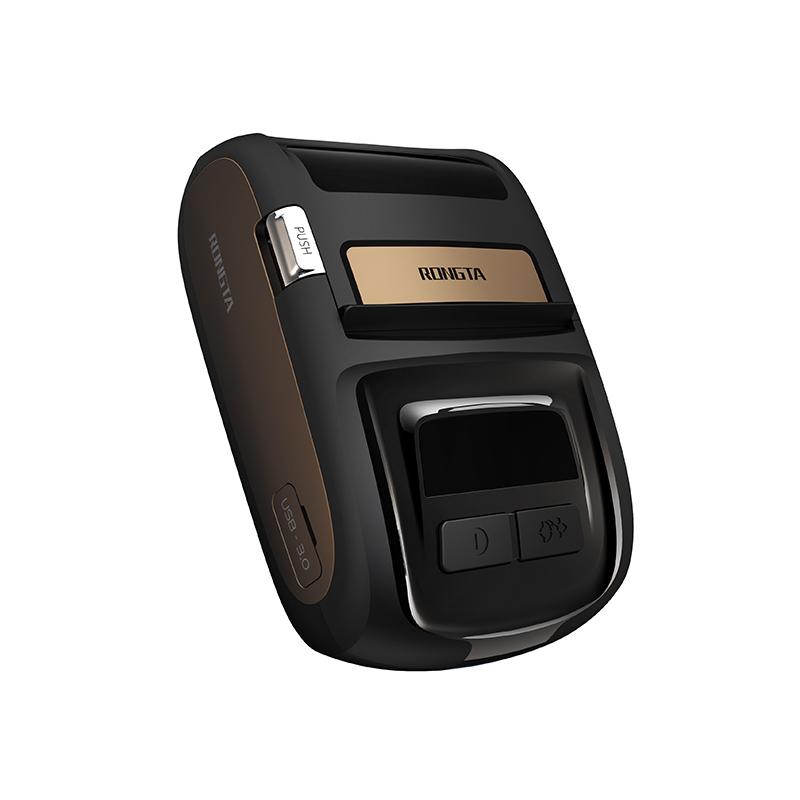 ACE M1
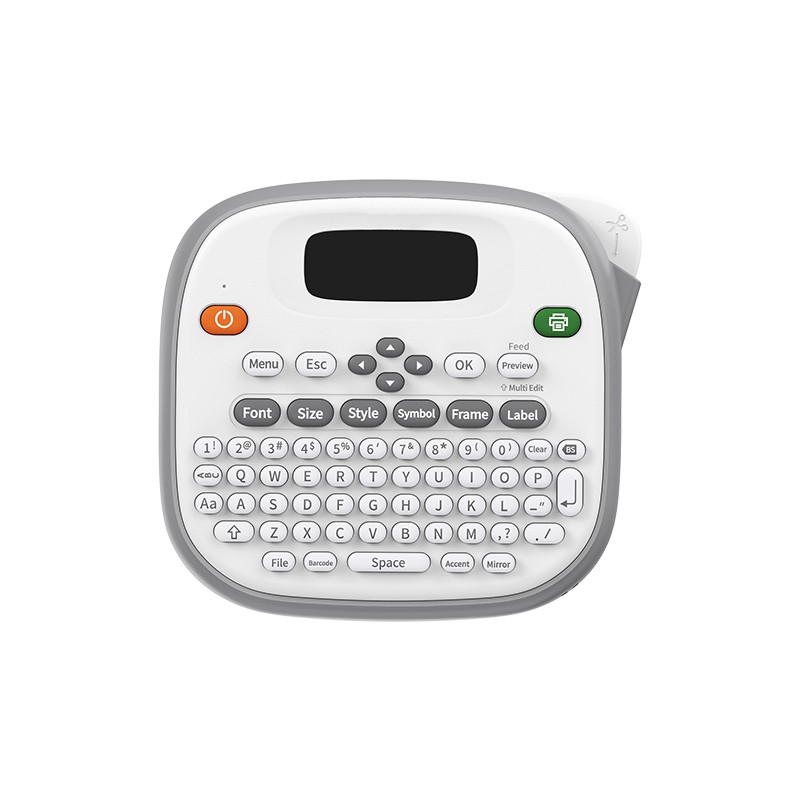 TD210
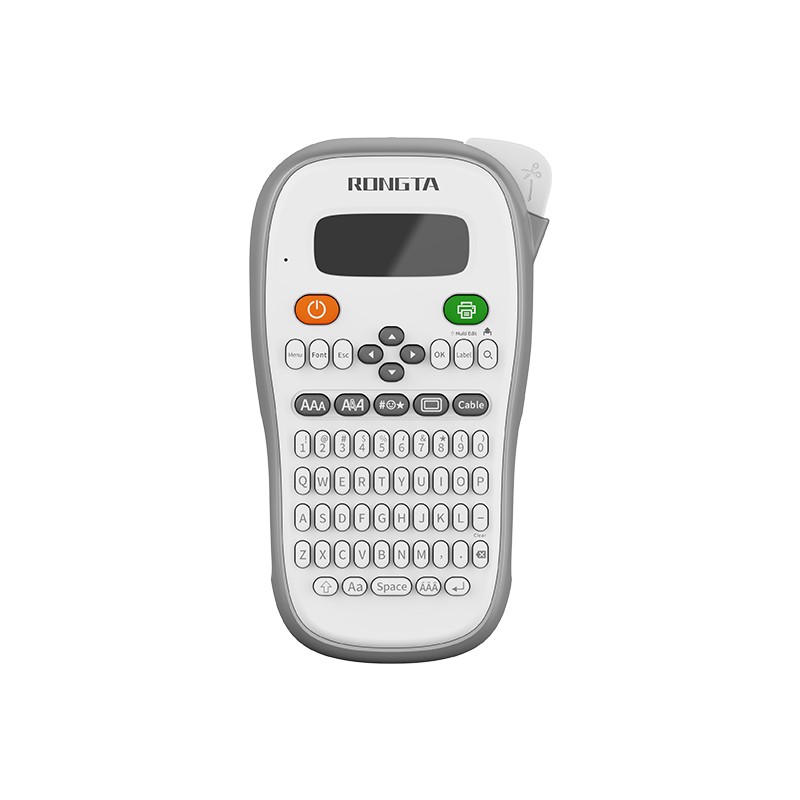 TH110
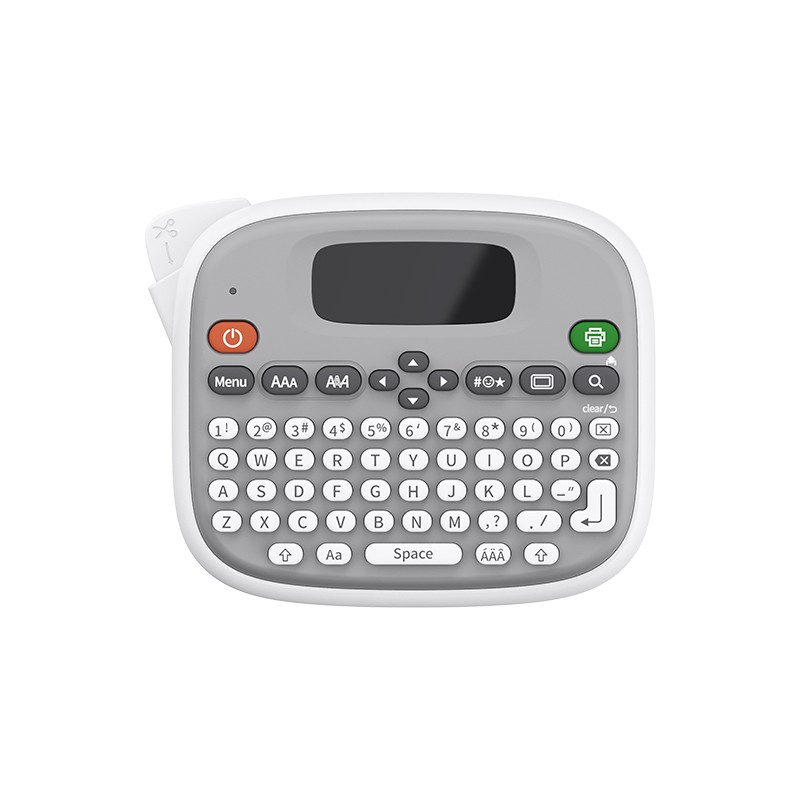 TM95
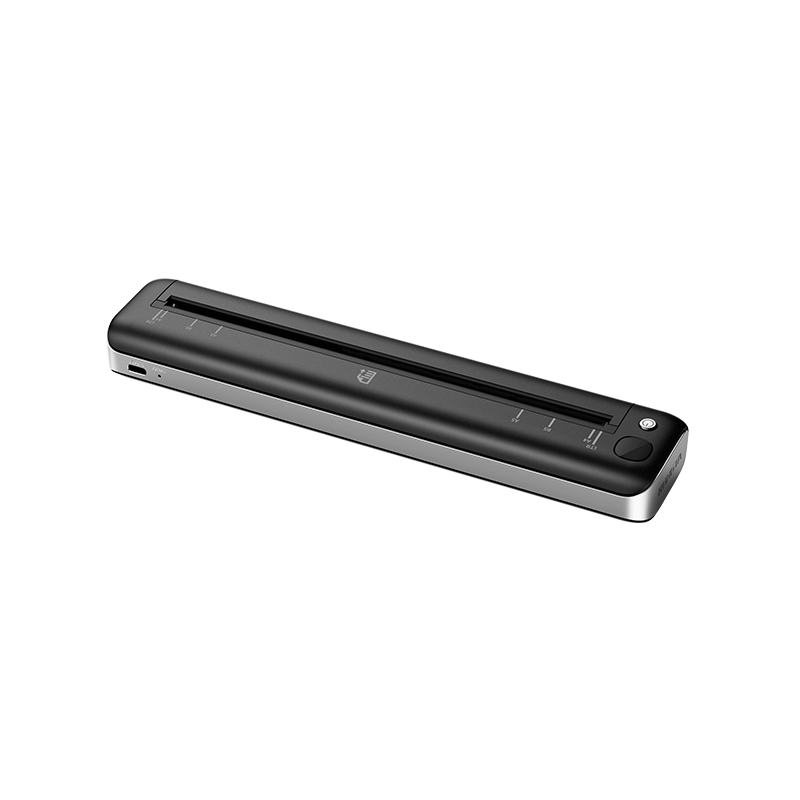 F81A
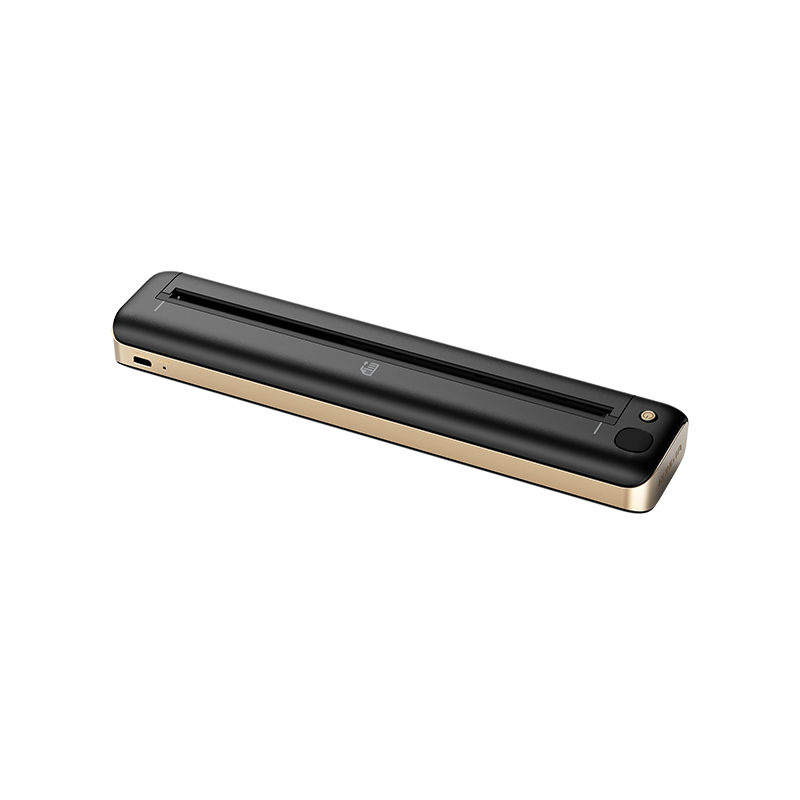 F81S
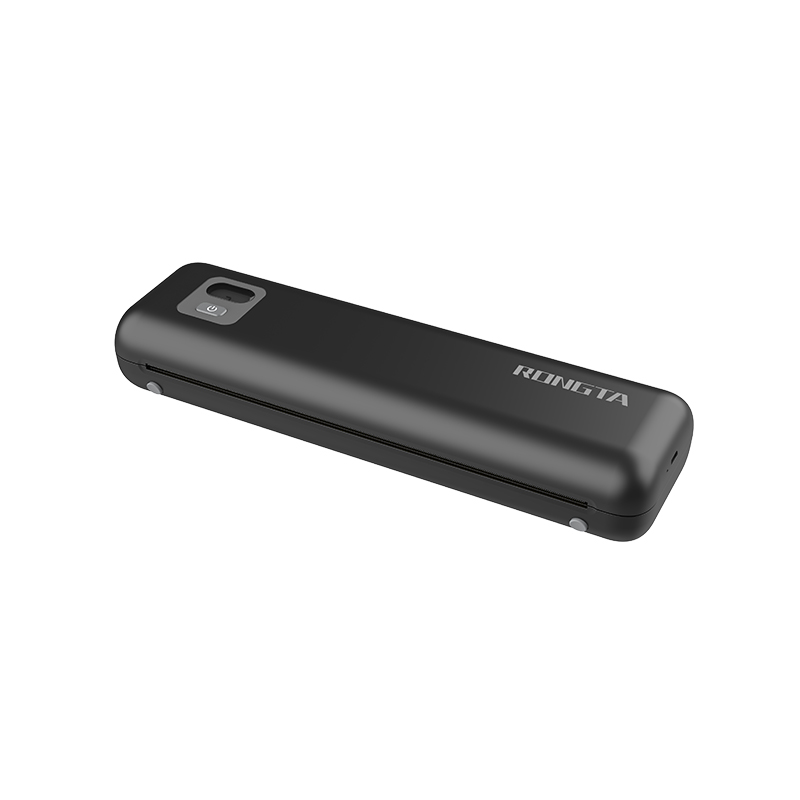 F82A
 R22
 R5
 RLS1315/RLS1330
 RLS1515/RLS1530
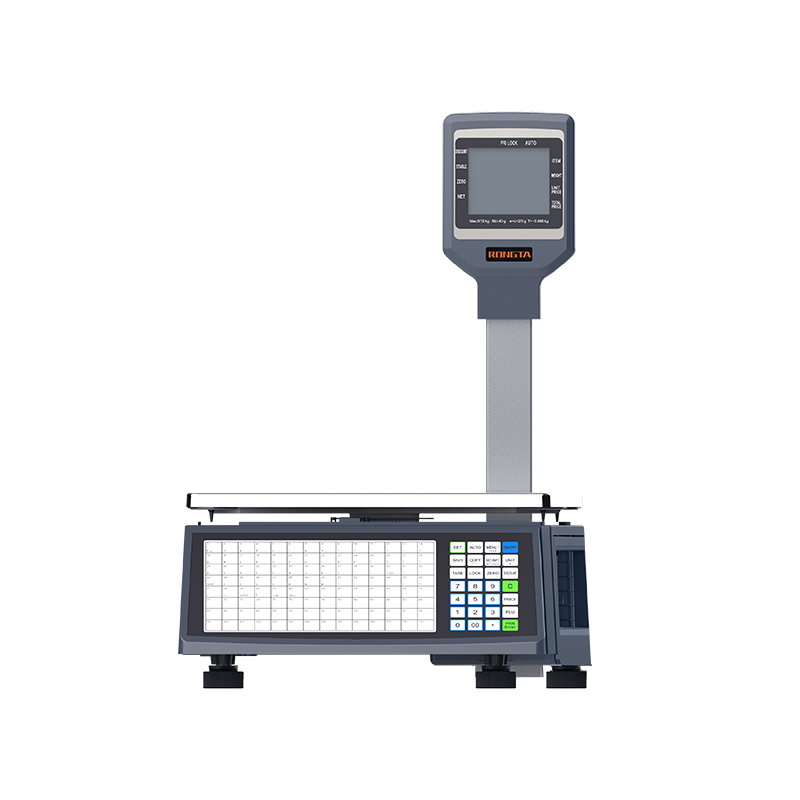 RLS1000/RLS1100A
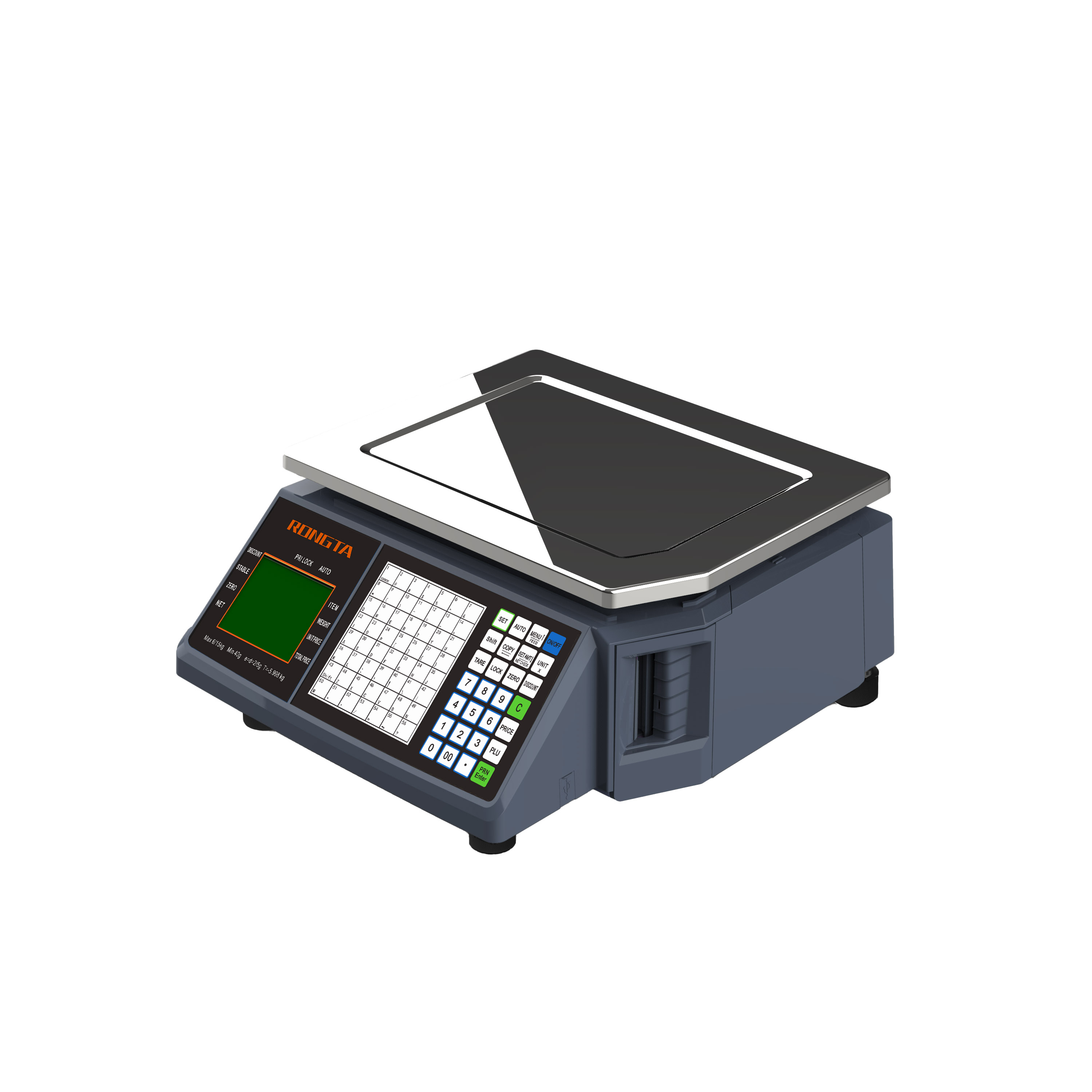 RLS1000/RLS1100B
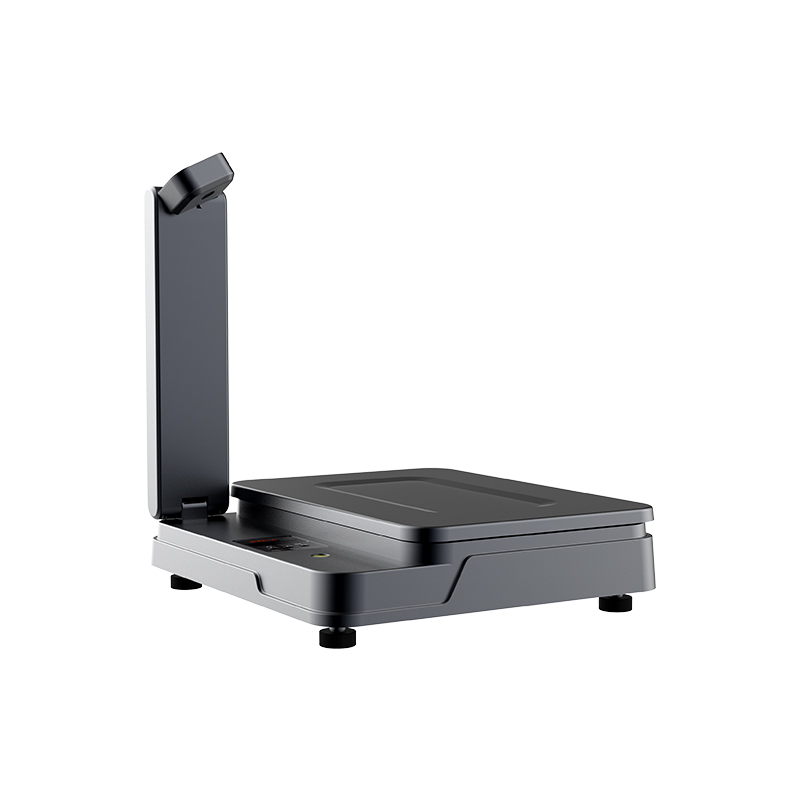 C2-AI
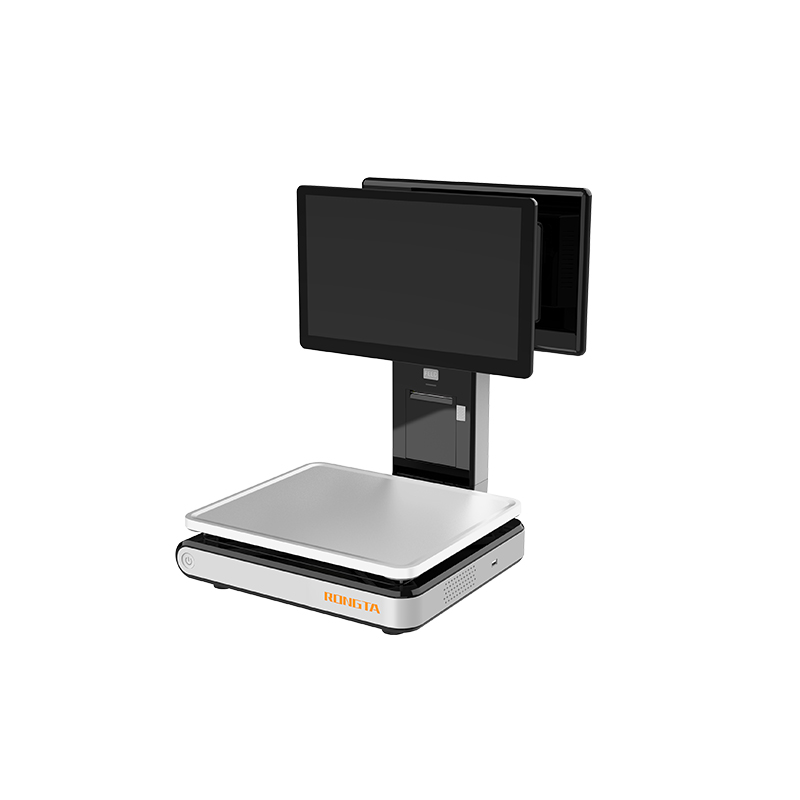 AURORA D2-AI
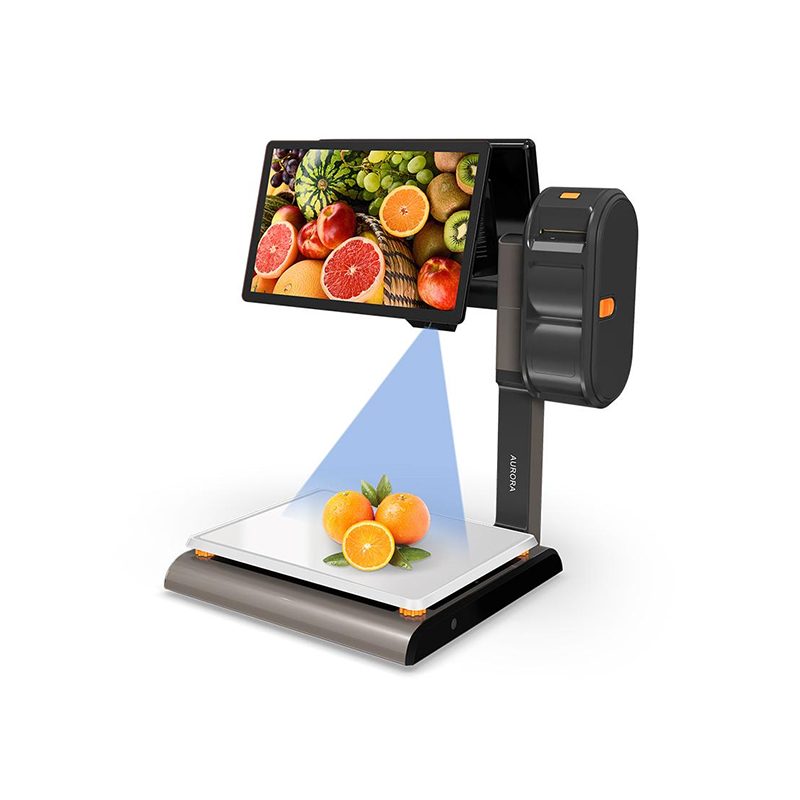 AURORA S2L-AI
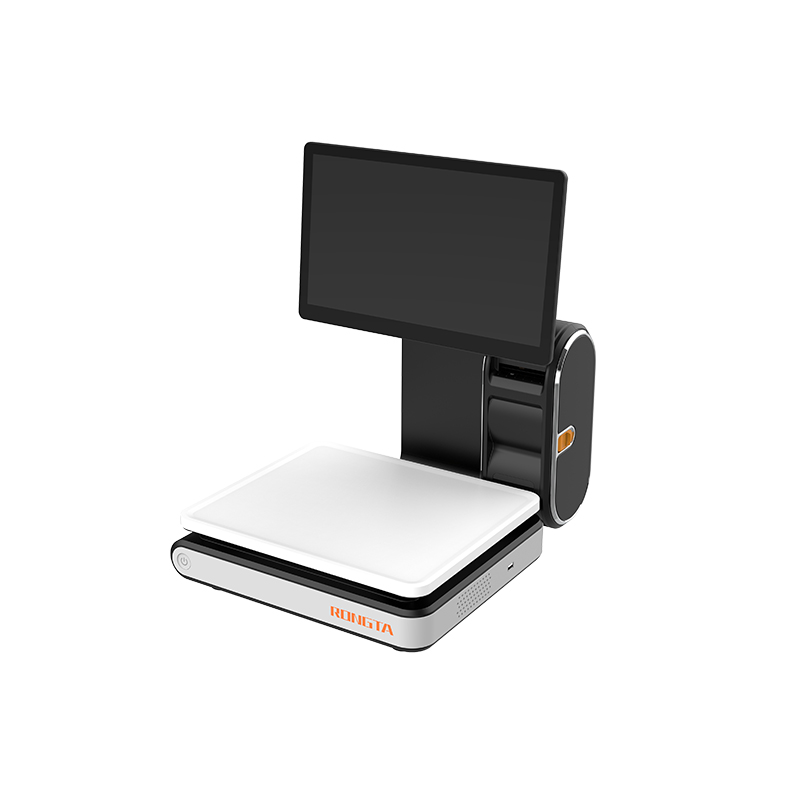 AURORA Y2L-AI
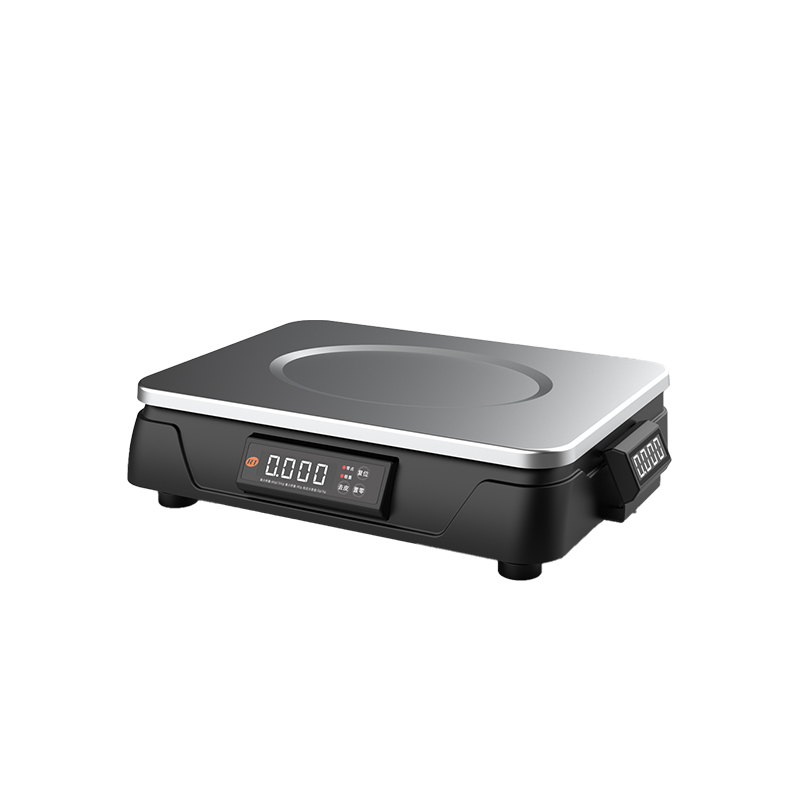 C1
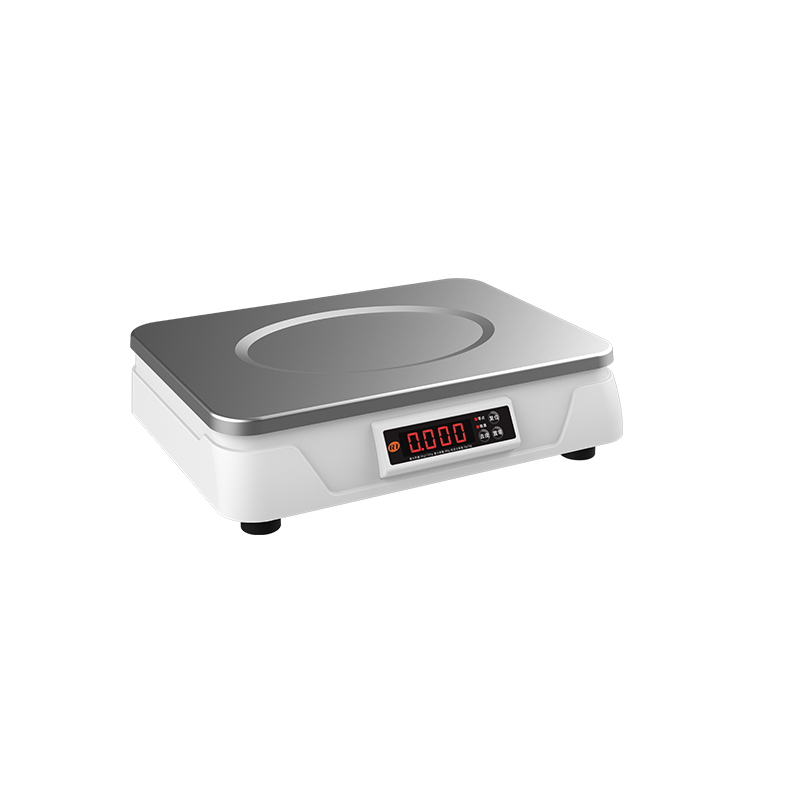 C11
 C3
 CB628
 RT58
 RT105
 RT205MP
 RT532
 PM315
 RP203
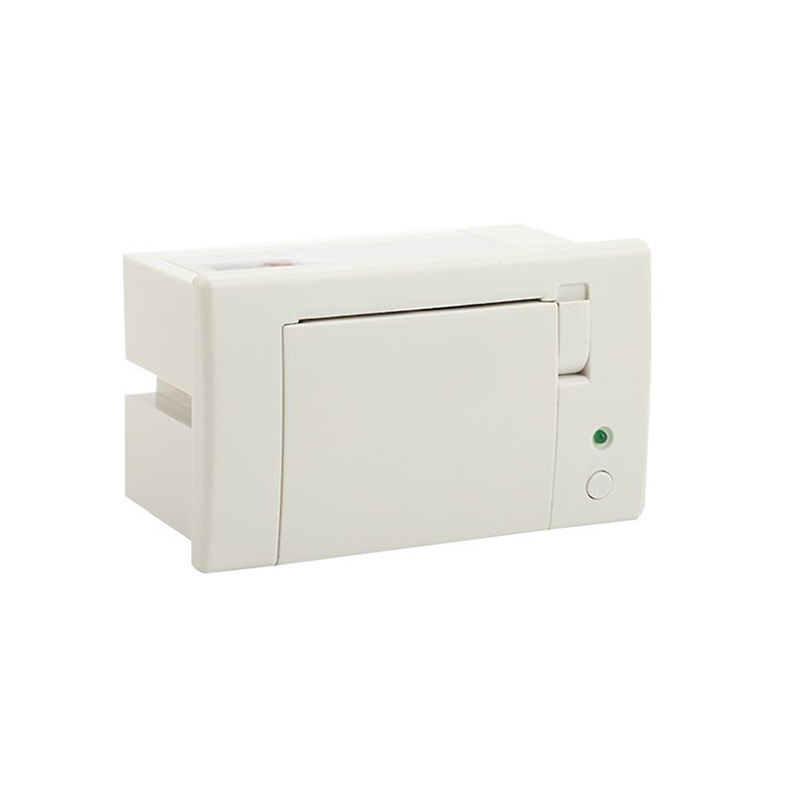 RP07
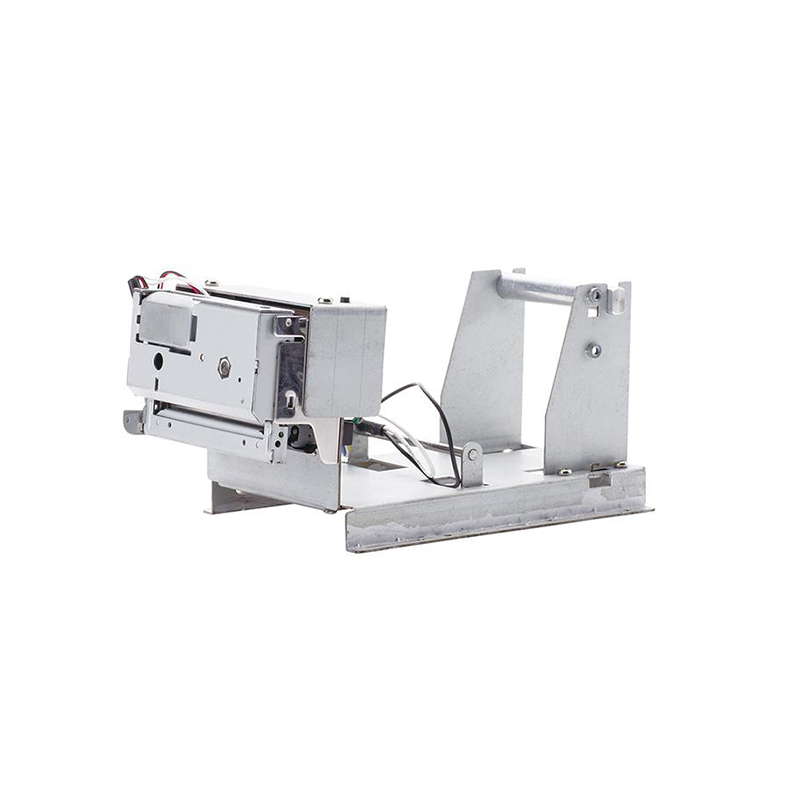 PM201
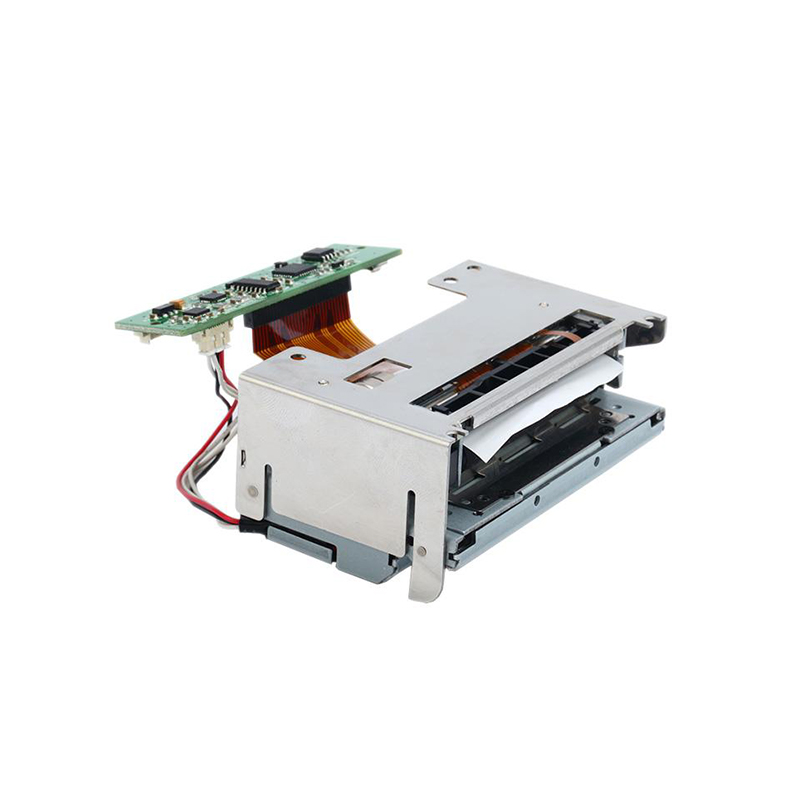 PM628
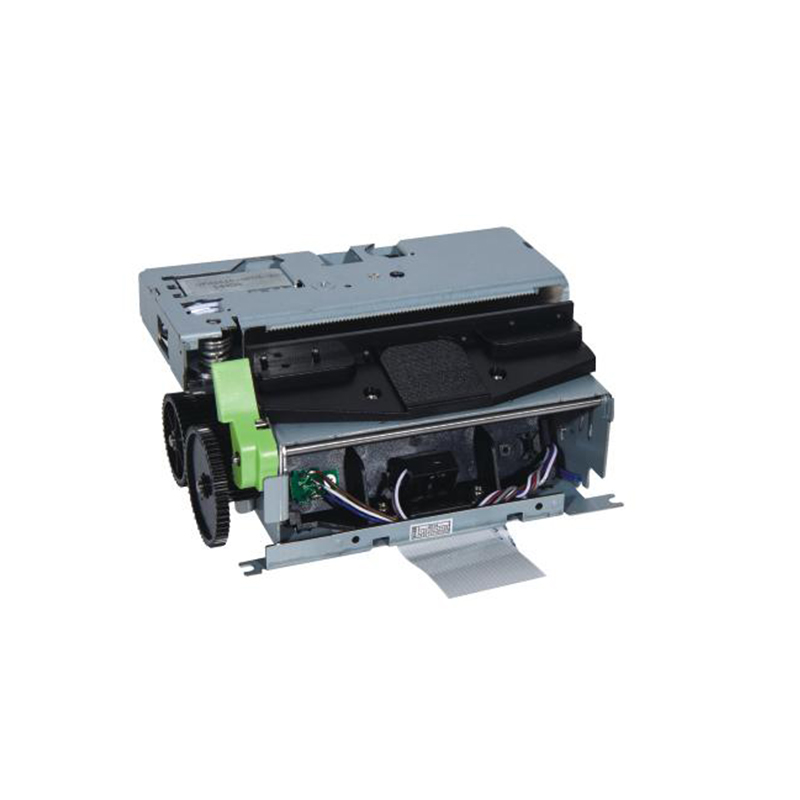 PM532A
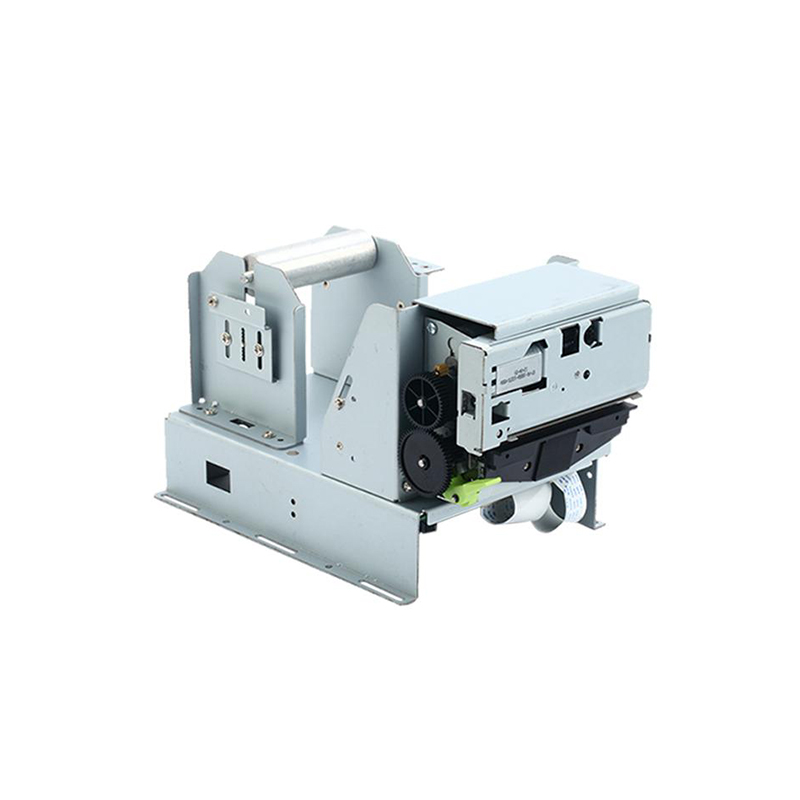 PM532B
 Retail
 Catering
 Medical
 Mobile Office/home
 Asset Management
 Logistics
 Driver Download
 User Manual
 Tool Download
 Label Design Software
 BarTender Video
 Product Video
 SDK
 FAQ
 Company News
 Exhibitions
 Industry News
 Product News
 Rongta Introduction
 Rongta Milestones
 Awards and Qualifications
 R&D Strength
 Rongta Team Activities
 Responsibility
How Smart Weighing Scales Solve the Three Biggest Bottlenecks in Snack Chain Operations
China’s bulk snack chain sector is expanding fast. Brands are opening stores at a pace that outruns back-end operations. Yet behind the growth, a set of operational bottlenecks keeps repeating across stores: slow bulk-weighing checkout, measurement compliance risks under the new national standard, and long queues during peak hours.
These are not minor inconveniences. They directly limit how quickly a chain can scale without sacrificing customer experience or regulatory compliance. And they point to one practical solution: weighing hardware that is accurate, compliant, and fast enough for high-traffic retail environments.
Rongta Technology’s Weighing Division has recently deployed its smart scales across multiple snack chain brands, turning this operational pain point into a solved problem. Here is how the deployments work, and what they mean for chains planning their next stage of growth.
Why Snack Chains Need More Than a Standard Scale
Bulk snack retail is a high-frequency weighing business. Customers fill bags with dozens of small items, each requiring a separate weight-based price calculation. At peak hours, a single slow transaction cascades into a visible queue.
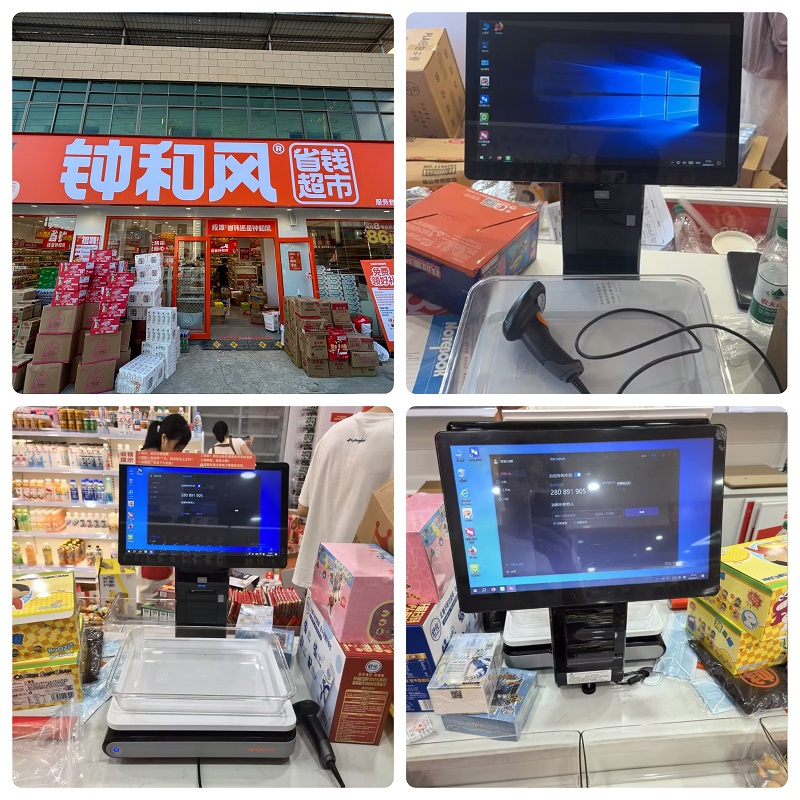
Zhonghefeng, one of China’s faster-expanding bulk snack chains, operates under exactly these conditions. Daily foot traffic is high, weighing happens constantly, and the brand cannot afford equipment that drifts in accuracy or fails under continuous use.
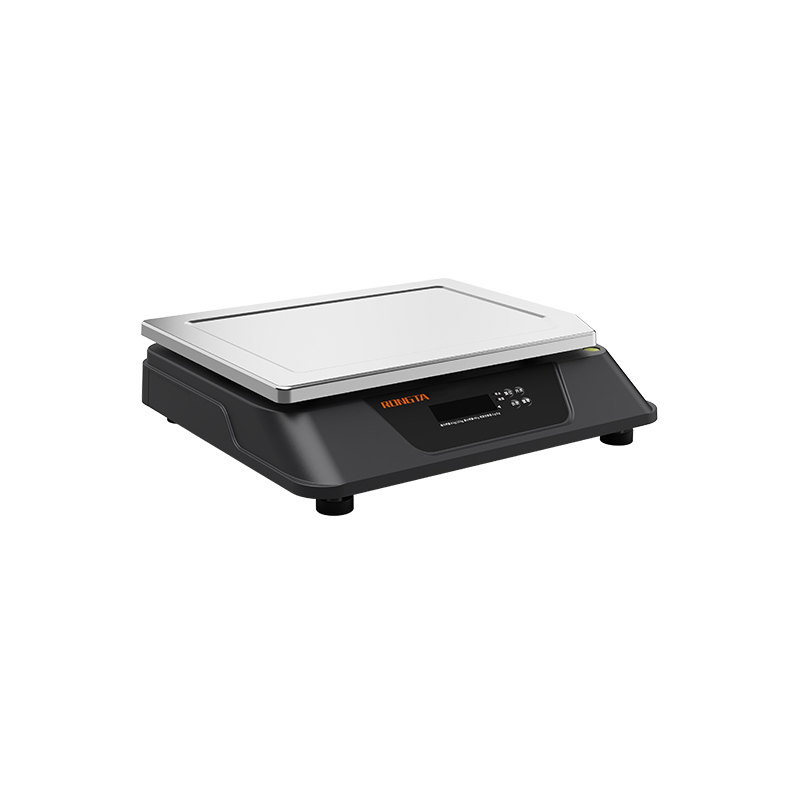
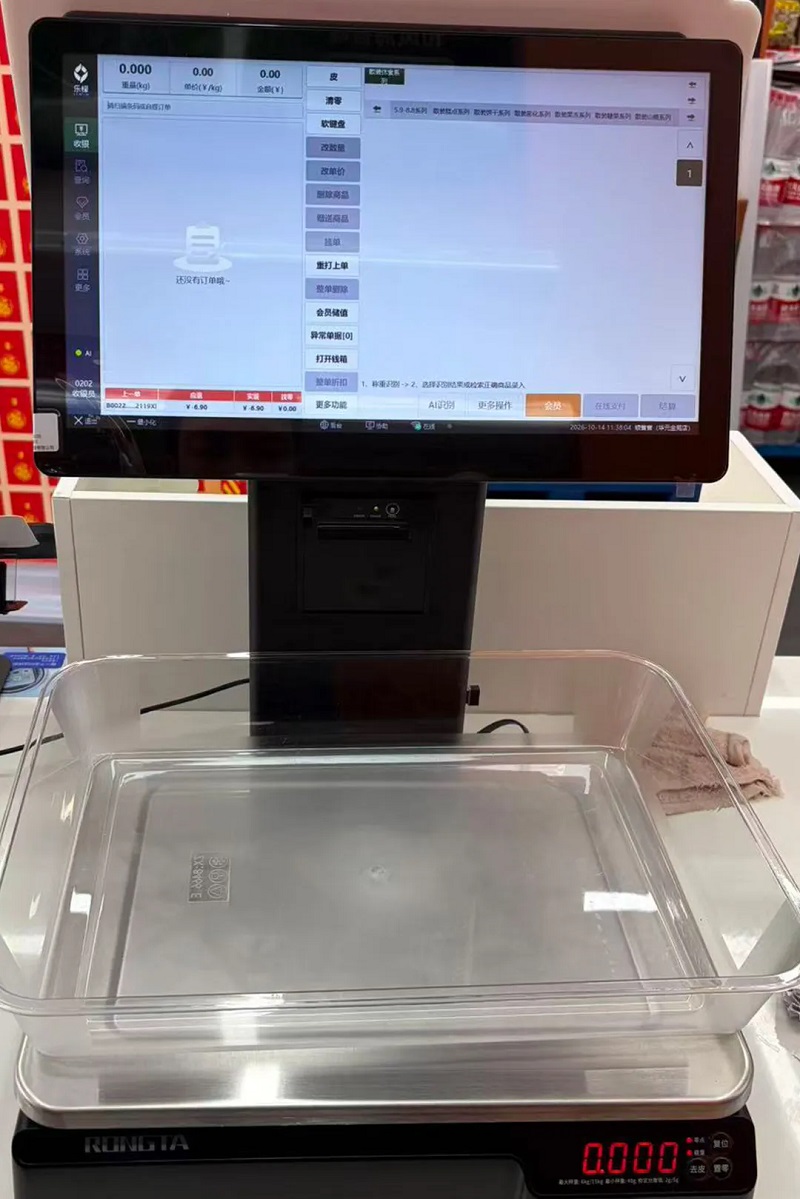
The AURORA D2-AI intelligent checkout scale, which is built for snack-chain workflows: it strictly follows the new national standard, provides traceable measurement compliance, and covers the full cycle from bulk weighing to checkout linkage.
What matters operationally is the combination of precision and speed. The D2-AI pairs accurate weighing with fast item recognition, so cashiers spend less time entering product codes and more time moving customers through. Rongta reports that this shortens weighing-checkout time, improves front-desk turnover, and eases peak-hour pressure. For a chain measuring success in transactions per hour, those seconds compound quickly.
Standardizing Equipment Across Multi-Brand Operations
Snack chains increasingly run multiple brands under one parent entity. That creates a quieter but equally costly problem: inconsistent equipment standards across brands make training, maintenance, and data synchronization harder than they need to be.
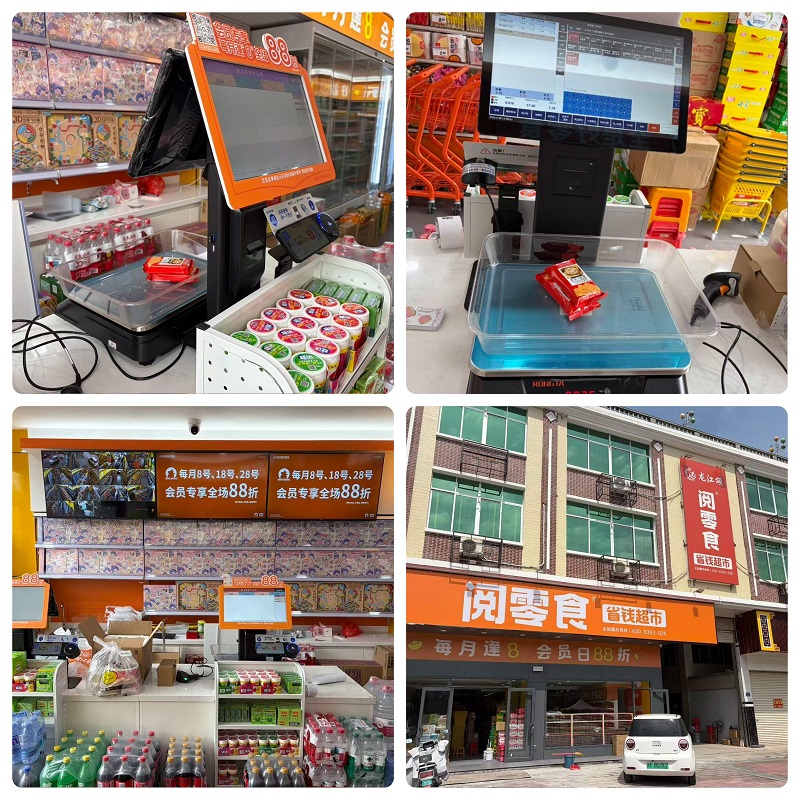
Shunshengsheng and Yuelingshi, two independent snack brands under the same entity, addressed this by standardizing on the intelligent checkout scale.
What These Deployments Signal for the Broader Market
The common thread across these partnerships is not a single product feature. It is a shift in how snack chains think about weighing equipment.
A scale used to be a back-of-house tool. In a scaled snack chain, it becomes a front-line operational asset. If it is slow, the queue grows. If it is non-compliant, the brand carries risk. If it is inconsistent across stores, standardization breaks down. Rongta’s deployments with Zhonghefeng, Shunshengsheng, and Yuelingshi show that the reverse is also true: the right hardware removes friction at the exact point where customers form their impression of the brand.
Rongta Technology says it will continue focusing on the retail sector, working with chain partners to support digital upgrading of offline snack stores. For chains evaluating their own equipment strategy, the takeaway is straightforward: weigh the cost of a slow, non-compliant scale against the value of one that keeps checkout moving and measurement defensible. The math tends to favor the latter.